Former Deputy Premier tells Wilkie Arthur he is proud of Eagle Legal News’ progress and South Caicos roots, before revealing publicly for the first time that he believes TCI could face a decision on independence within 10 to 15 years
PROVIDENCIALES, Turks and Caicos Islands — Tuesday 8th September 2026
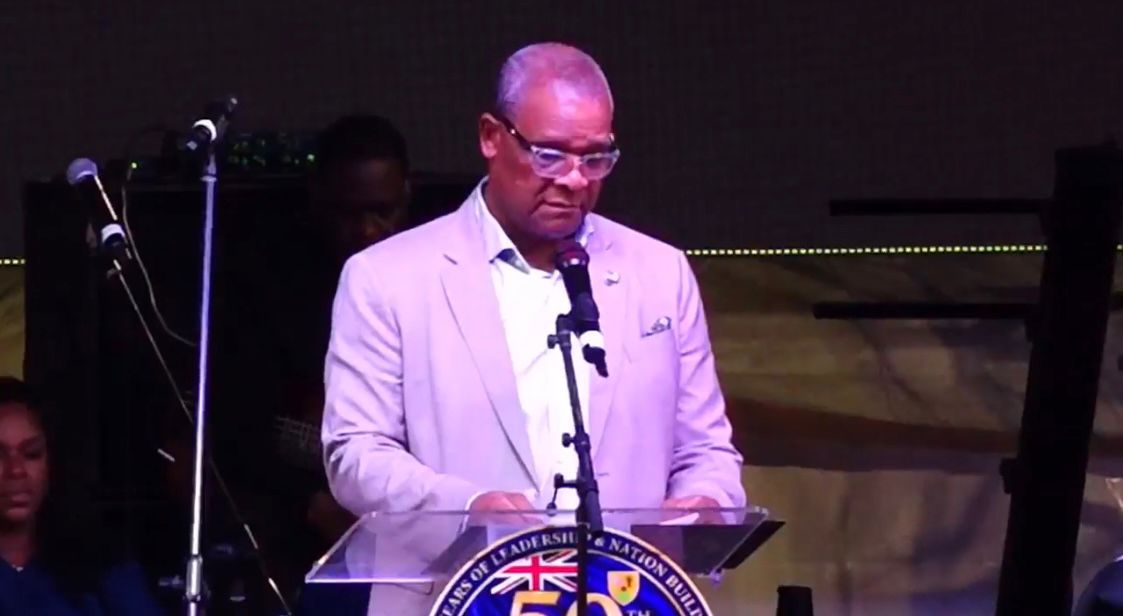
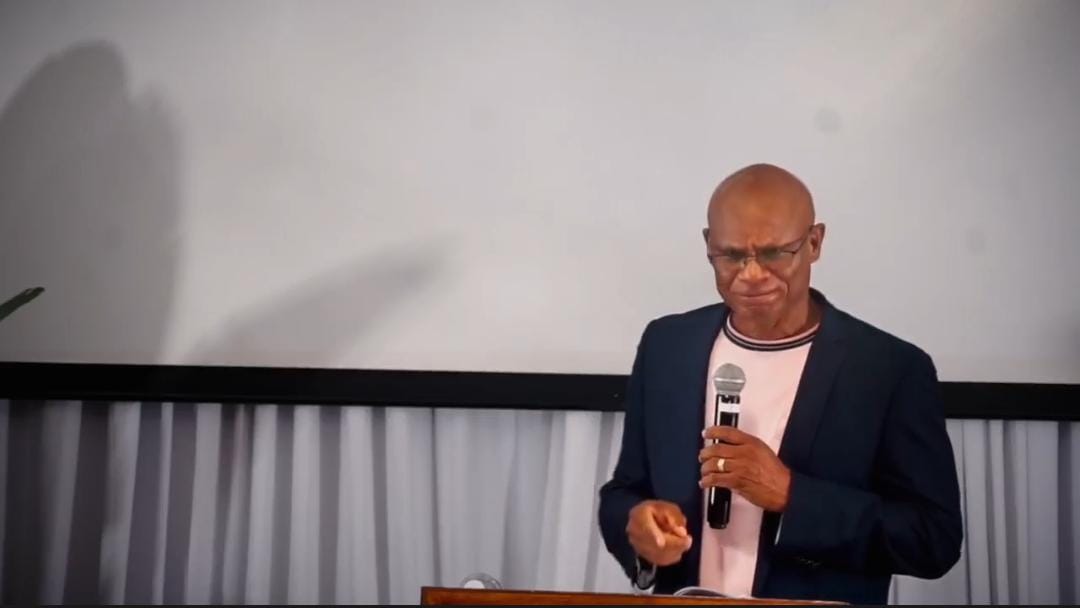
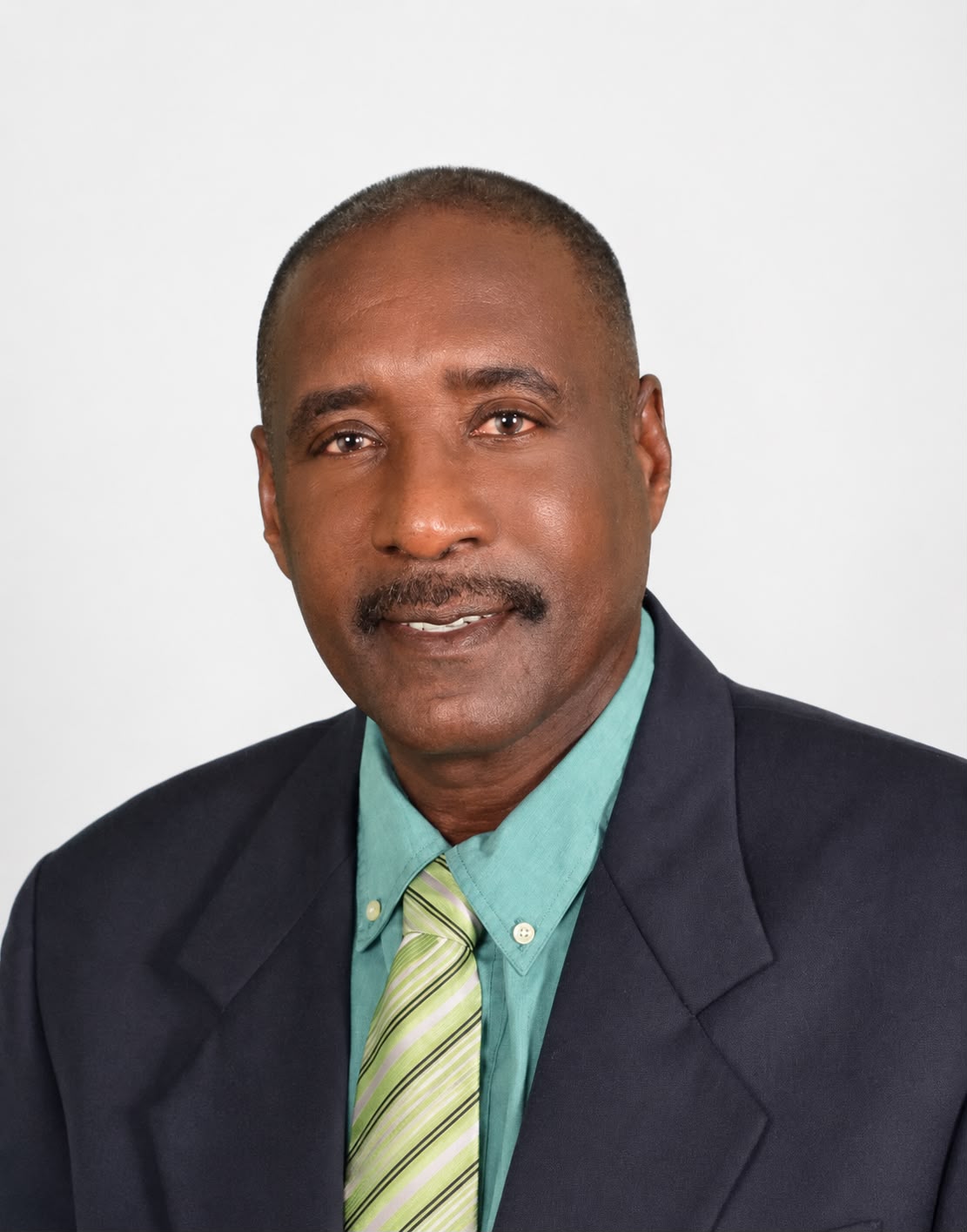
Former Deputy Premier Hon. E.J. Saunders used an interview marking 50 years of ministerial government not only to reflect on the achievements and unfinished work of the Turks and Caicos Islands, but also to publicly praise the growth of Eagle Legal News and its investigative journalist Wilkie Arthur.

At the conclusion of the interview, Saunders departed from the political discussion to personally acknowledge the development he has observed at Eagle Legal News, telling Arthur that he was proud to see how quickly the news organisation and journalist have grown.
“I’m quite proud of [you], and to see that you’re doing very well,” Saunders said. “You’ve grown, you’re growing very, very quickly, and where you’ve become, and to see that you’re out there doing your thing.”
Saunders also highlighted Arthur’s South Caicos roots, telling him: “Seeing that you’re from South Caicos… you’re doing very well.”
He ended the personal message by wishing Arthur continued success and God’s blessing.
“So, I hope you all the best and I keep God’s blessing for you,” Saunders said.
Arthur responded: “I receive it. Thank you, sir.”
The unexpected recognition came at the end of a significant interview in which Saunders also publicly articulated, for what he said was the first time, his personal belief that the Turks and Caicos Islands could find itself facing a serious decision on independence within the next 10 to 15 years.

PROUD OF THE PIONEERS, BUT SAUNDERS ASKS: COULD TCI HAVE DONE MORE?
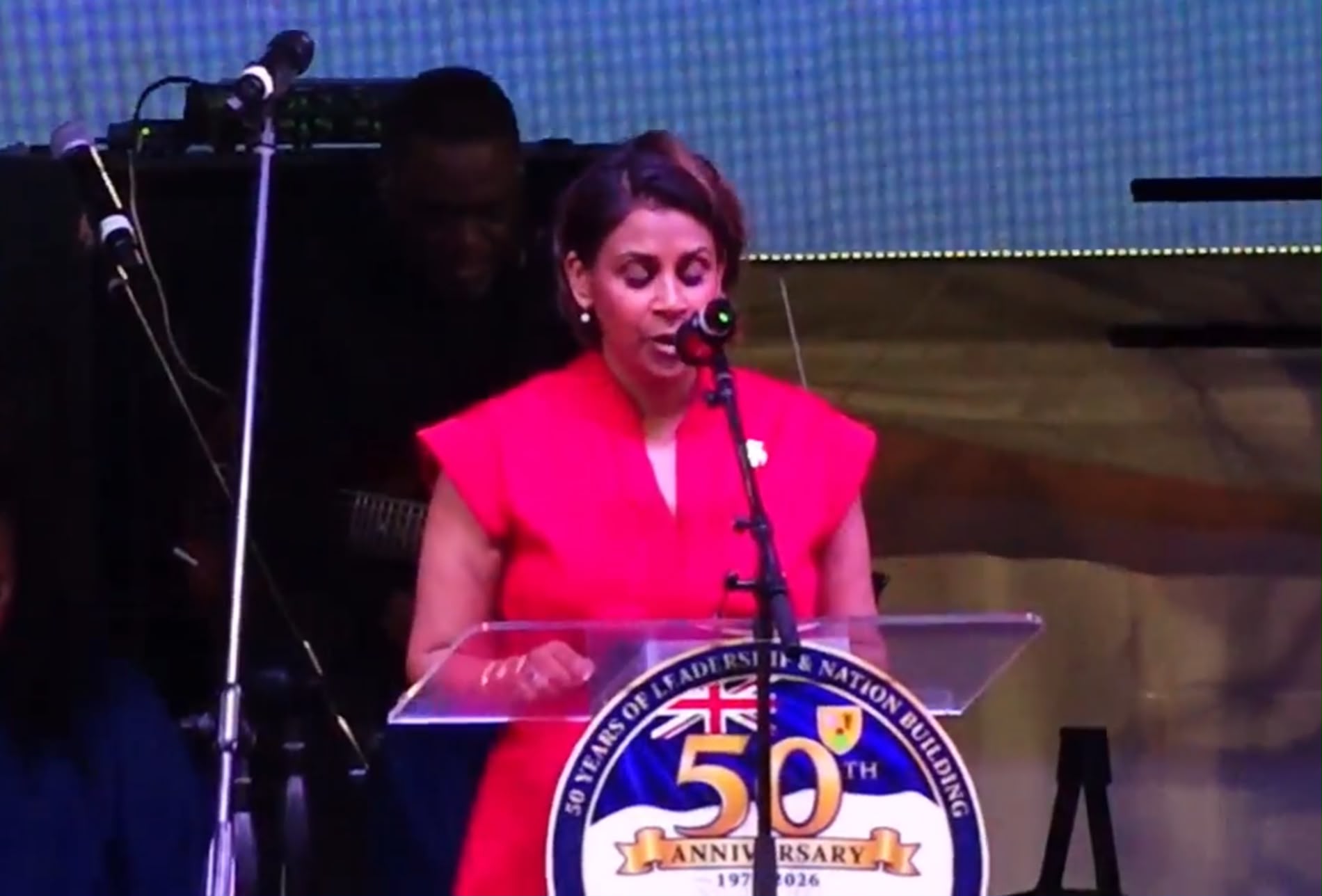
Reflecting on the 50th anniversary of ministerial government, Saunders described his feelings as somewhat bittersweet.
On one hand, he expressed tremendous pride in the political pioneers whose work created the foundation upon which the present generation stands. He specifically named the late Hon. JAGS McCartney, his father Honourable Norman Saunders Snr and Mr. Butterfield in discussing the personalities associated with the constitutional developments that led to ministerial government.
“We are very proud of the people whose shoulders we’re standing on that got us here,” Saunders said. “And they got us here with far less than we have today.”
Saunders said those early leaders managed to negotiate constitutional advancement despite having considerably fewer resources than are available to today’s political leadership. For him, that achievement deserves recognition, particularly when considering the financial and practical challenges they faced.
But his pride was accompanied by an uncomfortable question.
“Could we have done a lot more over the last 50 years?” Saunders asked.
NEXT FIVE, TEN AND 15 YEARS MUST PRODUCE “GREAT STRIDES”
Saunders said he does not want the Turks and Caicos Islands to reach the 100th anniversary of ministerial government only to discover that the country has failed to advance significantly beyond where it stands today.
He therefore called for an acceleration in the empowerment and development of Turks and Caicos Islanders.
“We don’t want to turn around and realize we’re doing our 100th anniversary and we haven’t come a lot farther than we are right now,” he said.
Saunders said being a member of Government during the 50th anniversary was personally meaningful, but again questioned whether sufficient progress had been made, particularly during more recent decades.
“I still look back and think, could we have done more, particularly with the last 25 years and maybe the last 10 years or 15 years?” he said.
His focus now, Saunders said, is ensuring that the immediate future produces measurable advancement.
“I want to make sure that at least the next five, the next 10, and the next 15, we make great strides for the people of the Turks and Caicos.”
SAUNDERS MAKES FIRST PUBLIC REVELATION ON INDEPENDENCE
The interview became particularly significant when Saunders was asked whether he believes the Turks and Caicos Islands could become an independent nation within the next 50 years or considerably sooner.
Before answering, Saunders made clear that what he was about to say represented a position he had not previously articulated publicly.
“I’m gonna tell you something,” he said. “This is the first time I’m gonna say — articulate it publicly.”
Saunders then said he believes the Turks and Caicos Islands could have a realistic opportunity to consider independence within approximately 10 to 15 years.
“I believe that we’re gonna have a good shot at it, probably within the next 10 to 15 years,” he said. “And I think we’re going to be faced with a decision at that point whether we want to do it or not.”
Unlike simply calling for independence by a particular date, Saunders explained why he believes such a decision could emerge.
He said he is aware of other British Overseas Territories advocating for constitutional advancement and believes that could eventually force a broader decision involving the United Kingdom and its remaining territories.
“WHO’S IN AND WHO’S OUT?”
Saunders stressed that what followed was his own belief about how the situation could develop.
“I think at some point — this is my belief — that the UK Government is going to say, ‘Okay, who’s in and who’s out?’” he said.
In Saunders’ view, if the Turks and Caicos Islands decides at that point that it wants independence, the constitutional transition could move relatively quickly.
“If we decide we’re going to do it and we want to do it, I think it’s going to happen very quickly,” he said.
He predicted that such a development could occur in under 20 years.
Saunders also offered a warning. If the Turks and Caicos Islands is presented with such an opportunity and chooses not to pursue it, he believes another similar opportunity might not emerge for decades.
“I think if we pass up on it, it will probably take us another 50 years to get there again,” he said.
Saunders compared the possibility to a “graduating class” of Overseas Territories potentially moving toward a new constitutional status at around the same period.
“I believe that at that point in time, they’re going to say, ‘Who’s going to be the graduating class?’” he said.
A SIGNIFICANT INTERVIEW ENDS WITH PRAISE FOR EAGLE LEGAL NEWS
Saunders’ remarks add another important political voice to the developing national conversation surrounding the constitutional future of the Turks and Caicos Islands during the 50th anniversary of ministerial government.
But before ending the interview, Saunders turned the attention away from himself and toward the journalist interviewing him.
His praise of Eagle Legal News and Arthur was unsolicited and personal. He said he had observed the rapid development taking place and expressed particular satisfaction at seeing someone from South Caicos continuing to grow in journalism.
For Eagle Legal News, the remarks represented recognition from one of the country’s experienced political figures during an interview in which Saunders himself chose the platform to publicly articulate for the first time his prediction about when the Turks and Caicos Islands could face a major decision over independence.
The exchange ended not with another political statement, but encouragement.
Saunders told Arthur he was proud of his progress, said he was “growing very, very quickly,” and wished God’s continued blessing upon him.
Arthur’s response was simple:
“I receive it.”