Wednesday 3rd June, 2026 – Turks and Caicos Islands
The recent visit of Jamaican Prime Minister Dr. Andrew Holness to the Turks and Caicos Islands should have been an important moment not only for regional relations but also for local journalism. Instead, it has become yet another example of how local media continues to be overlooked, sidelined, and treated as an afterthought by those in positions of power.
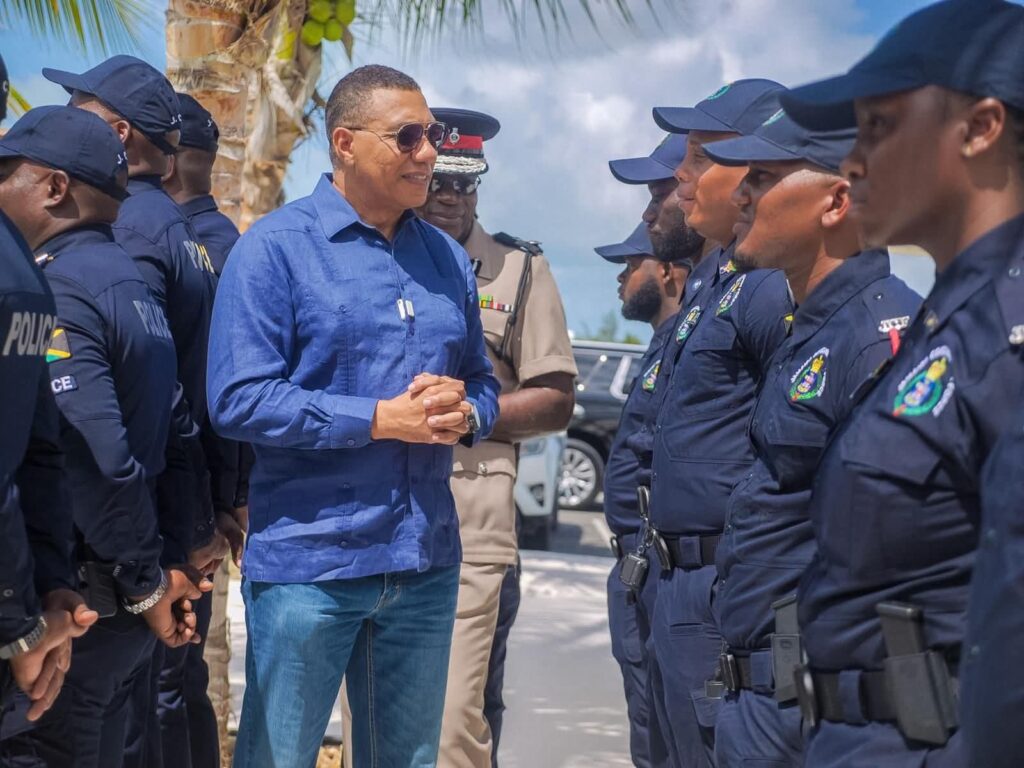
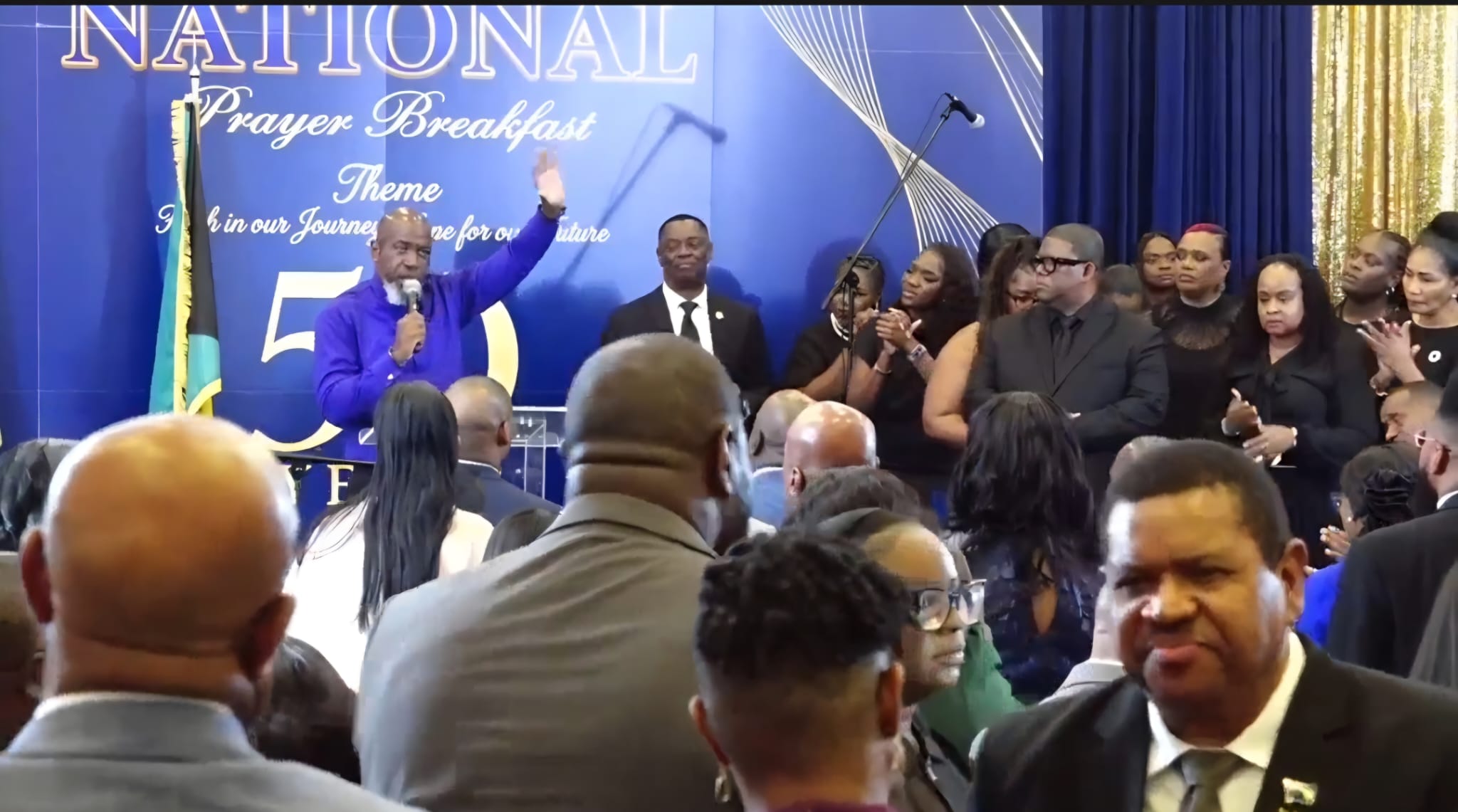
The Prime Minister’s visit was not a private vacation. It was not a family getaway. It was not a closed-door corporate retreat. It involved the leader of a sovereign nation visiting the Turks and Caicos Islands, meeting with government officials, interacting with Jamaican police officers deployed within our borders, and participating in the high-profile opening celebrations of Beaches Turks and Caicos’ newest expansion, Treasure Beach Village.
Yet throughout the visit, local media was virtually invisible.
The first indication many members of the public had that the Prime Minister was travelling to the Turks and Caicos Islands came not from the Turks and Caicos Islands Government, not from the Governor’s Office, not from Beaches Turks and Caicos, and certainly not from any local media advisory. Instead, the information came from Jamaica through reports published by the Jamaica Gleaner.
Think about that for a moment.
A foreign newspaper informed the people of the Turks and Caicos Islands that a foreign Prime Minister was travelling to our country before our own authorities or event organizers saw fit to engage the local press.
That alone should concern everyone.
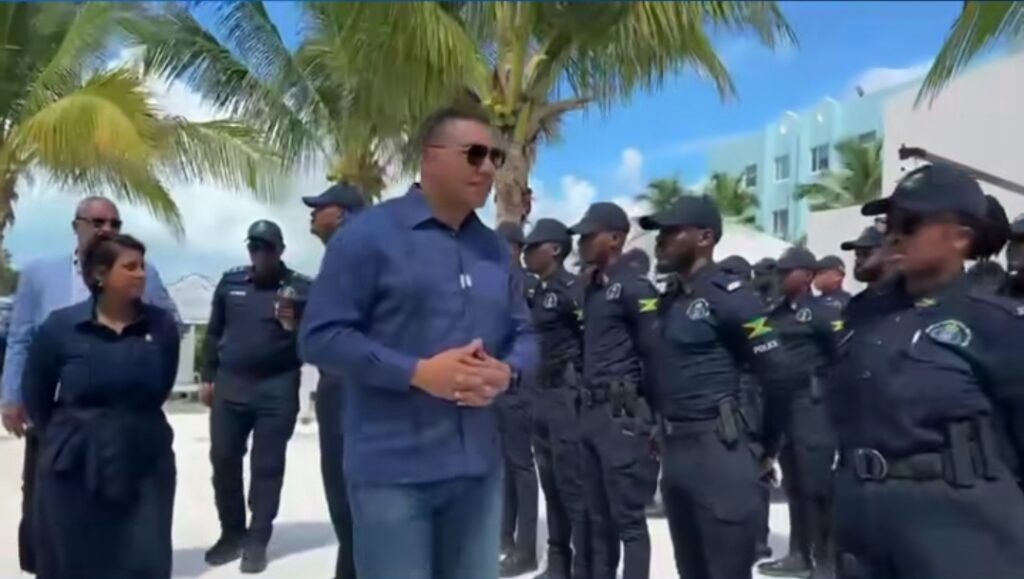
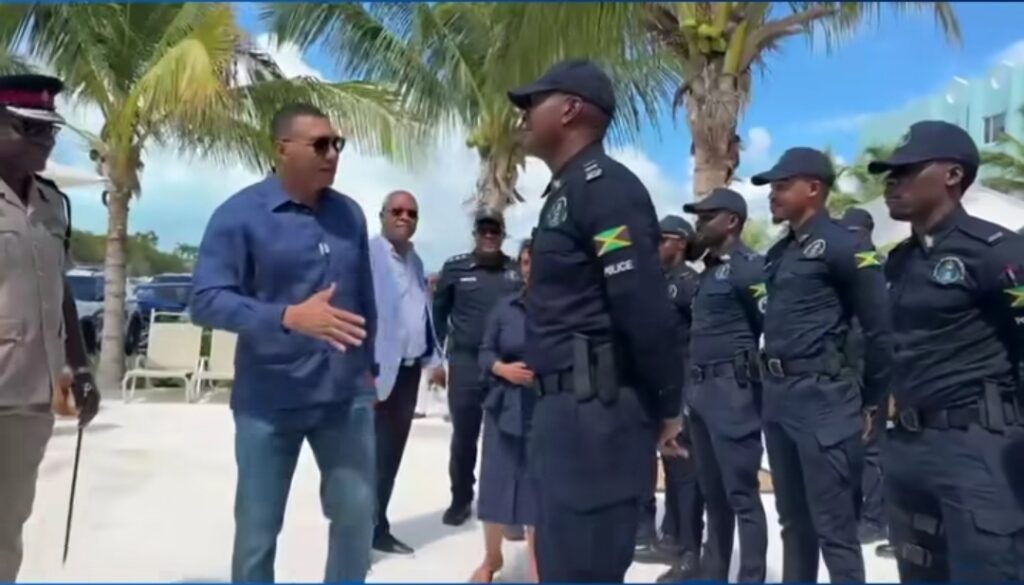
Once in the Turks and Caicos Islands, Prime Minister Holness conducted what appeared to be a significant visit with members of the Jamaican security contingent currently assisting local law enforcement efforts. Video footage and reports show him inspecting, interacting with, and speaking to Jamaican officers who have been deployed here as part of efforts to combat crime.
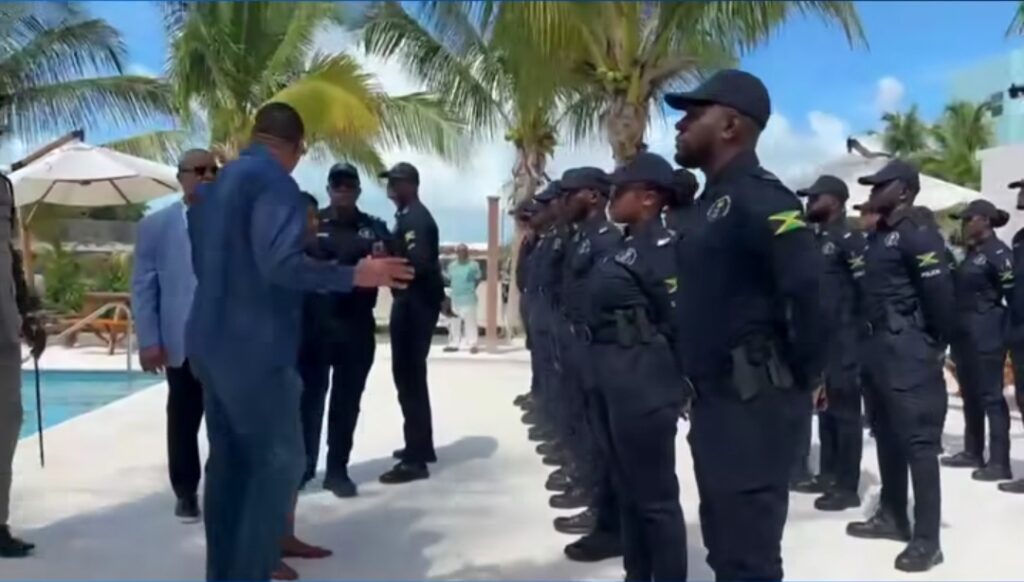
This was a matter of public interest.
This was a matter involving law enforcement.
This was a matter involving a foreign deployment operating within the Turks and Caicos Islands.
This was a matter that local journalists should have been given access to cover.
Yet there was no local media presence.
No opportunity to ask questions.
No opportunity to interview the Prime Minister.
No opportunity to hear directly from the Jamaican officers serving in the territory.
No opportunity to engage with local officials about the deployment and its effectiveness.
Instead, the public was left watching footage and reading reports produced largely by Jamaican media organizations that travelled with or had access to the Prime Minister.
One has to ask: why?
Why was local media not invited?
Why was local media not briefed?
Why was local media not considered important enough to participate?
Who made that decision?
And perhaps most importantly, why did nobody in authority challenge it?
The Governor was present.
The Premier was present.
Senior government officials were present.
The Police Commissioner was present.
Representatives of Beaches Turks and Caicos were present.
Yet somehow, local journalists—the very people tasked with informing the residents of this country—were absent.
That absence was not accidental.
Someone made a decision.
Someone decided that foreign media coverage was sufficient.
Someone decided that local journalists did not need to be there.
Someone decided that the people of the Turks and Caicos Islands could receive information second-hand rather than through their own media institutions.
That decision was wrong.
For years, local media houses have covered government announcements, national emergencies, hurricanes, crime crises, elections, tourism developments, and community events. They have informed residents when others could not. They have served as a bridge between decision-makers and the public.
Yet when one of the Caribbean’s most prominent political leaders visits the Turks and Caicos Islands, local journalists are apparently expected to remain on the outside looking in.
The issue extends beyond one visit.
It speaks to a wider concern that some organizations, particularly large corporate entities operating within the Turks and Caicos Islands, have become far too comfortable deciding when local media matters and when it does not.
The opening of Treasure Beach Village was undoubtedly a major achievement. The US$150 million expansion added 101 luxury suites, new restaurants, entertainment facilities, and further strengthened the country’s tourism product. It represents a significant investment and an important milestone for Beaches Resorts.
However, economic investment should never be accompanied by an attitude that local institutions—including local media—are optional participants in events taking place on Turks and Caicos soil.
No company, regardless of size or influence, should be permitted to dictate the narrative while excluding the journalists who serve the people of this country every day.
Equally concerning is the silence that often follows these situations.
Many journalists are frustrated.
Many media houses are disappointed.
Some simply choose not to say anything.
Eagle Legal News will.
Because this is not merely about invitations.
It is about respect.
It is about transparency.
It is about ensuring that local voices are not treated as secondary within their own country.
When foreign dignitaries visit the Turks and Caicos Islands, local media should not have to learn about it from another country.
When foreign leaders inspect operations taking place within the Turks and Caicos Islands, local journalists should not be excluded.
When major events occur on our shores, the people of this country deserve coverage through their own media institutions.
The message sent by this visit was unfortunate: that local media was not important enough to be included.
If that was not the intended message, then those responsible should explain why local journalists were absent from virtually every significant aspect of the Prime Minister’s visit.
Because the people of the Turks and Caicos Islands deserve answers.
And local media deserves better.