Saturday 27th June, 2026 – Turks and Caicos Islands
Questions continue to be raised about the inconsistent use of police body-worn cameras during high-profile arrests, shootings and other major law enforcement operations, with critics arguing that the absence of video footage undermines public confidence and complicates court proceedings.
While body cameras have become an increasingly common policing tool around the world, it’s use does not always appear to be consistent across all types of operations here in the Turks and Caicos. Members of the public have frequently seen officers wearing body cameras during traffic stops and roadside enforcement, where interactions are routinely recorded. However, questions often emerge after major incidents when no body-camera footage is available.
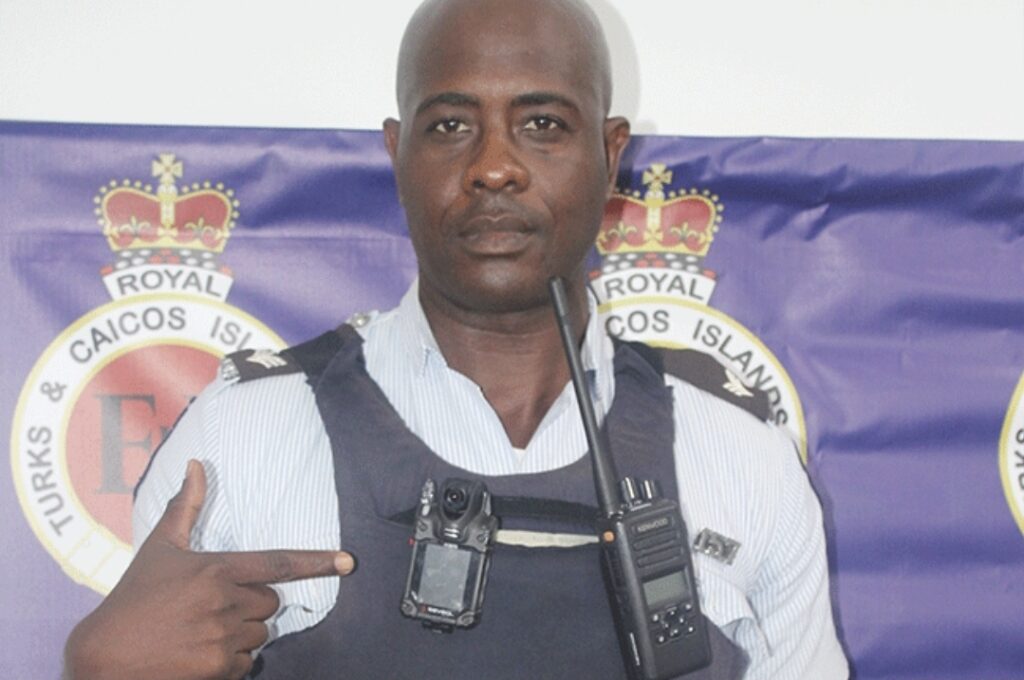
The issue has also surfaced in courtrooms, where defence attorneys have, in some cases, requested body-camera recordings as part of the disclosure process. While footage is sometimes produced, there have also been regular (far too frequent) instances where no recordings are available, prompting renewed debate about whether the use of body-worn cameras should be mandatory during significant or all police operations.
There are persons in prison convicted and serving sentences due to camera footage from business establishments, but there always seem to be a problem with the absence of police body cam footage, why is that?
Advocates for greater police accountability argue that body-camera footage protects both officers and members of the public by providing an objective record of encounters. They contend that mandatory recording during high-risk arrests and critical incidents would reduce disputes over what occurred and strengthen public trust in law enforcement.
The absence of footage in some high-profile cases has fuelled public speculation and criticism, particularly when incidents involve the use of force or result in injury or death. Critics say that without video evidence, questions surrounding police conduct become more difficult to answer, leaving room for competing narratives.
Especially in the recent shootings of the juveniles. An eye witness that spoke with Eagle Legal News was actually inside of the police vehicle after being arrested and witnessed the shooting, stating that the juveniles were unarmed when they were shot. A shooting that had no fatalities, but left one paralyzed and another still injured from 3 gunshot wounds.
Calls have therefore grown for clear policies requiring officers to activate body-worn cameras during arrests of serious suspects, tactical operations and incidents involving the use of force. Supporters of such measures argue that consistent implementation—not selective use—would improve transparency and reinforce confidence in the justice system.
Police have previously demonstrated the value of body cameras during traffic enforcement and routine patrol duties. For many observers, the question is not whether the technology exists, but why it is not consistently deployed during the incidents that attract the greatest public scrutiny.
As public expectations for transparency continue to evolve, the debate over mandatory body-camera use is likely to remain a significant issue for law enforcement agencies and policymakers alike.