Tuesday 25th August 2026 Providenciales, Turks and Caicos Islands
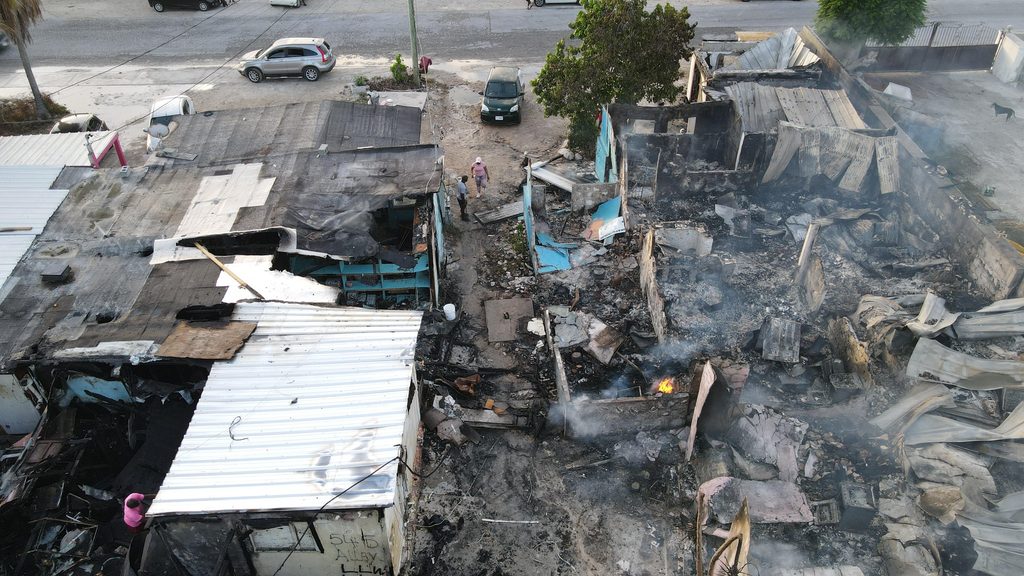
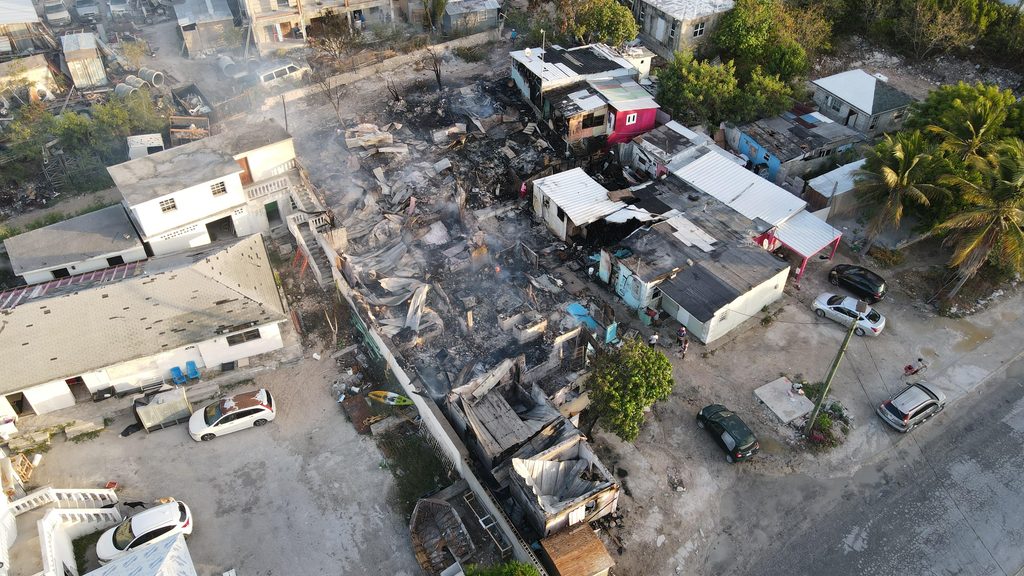
The Government is facing mounting questions over its plans for the Turks and Caicos Islands’ domestic firefighting service following the devastating Five Cays fire, with Eagle Legal News seeking clarification on new fire trucks, repairs to existing vehicles, firefighters’ working conditions and whether the territory will establish a permanent 24-hour fire response system.
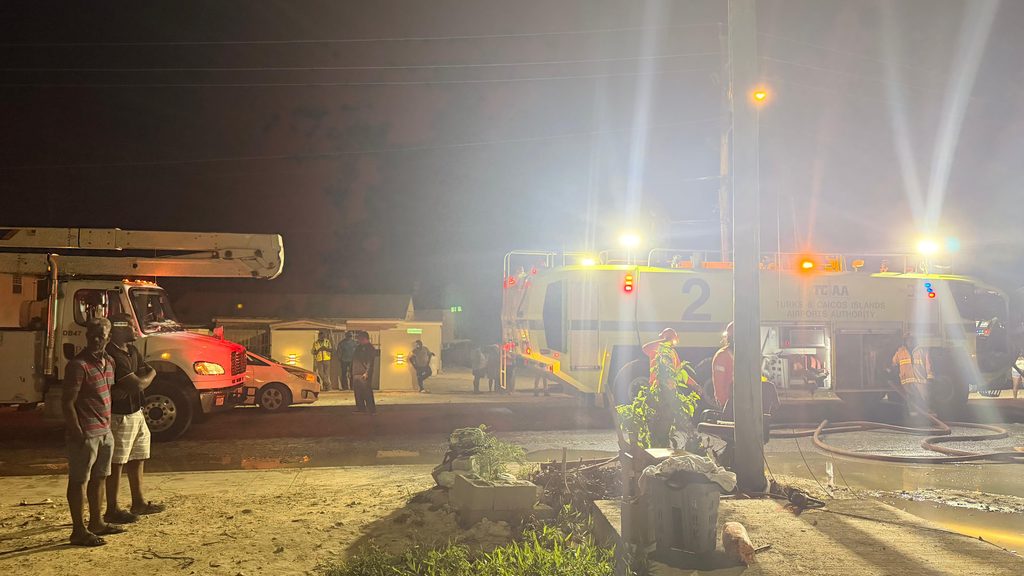
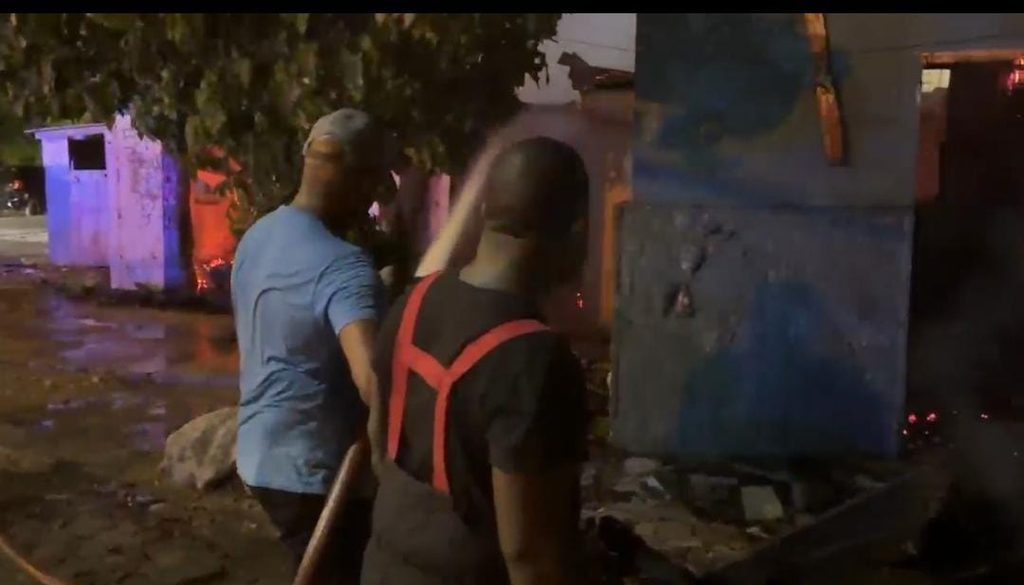
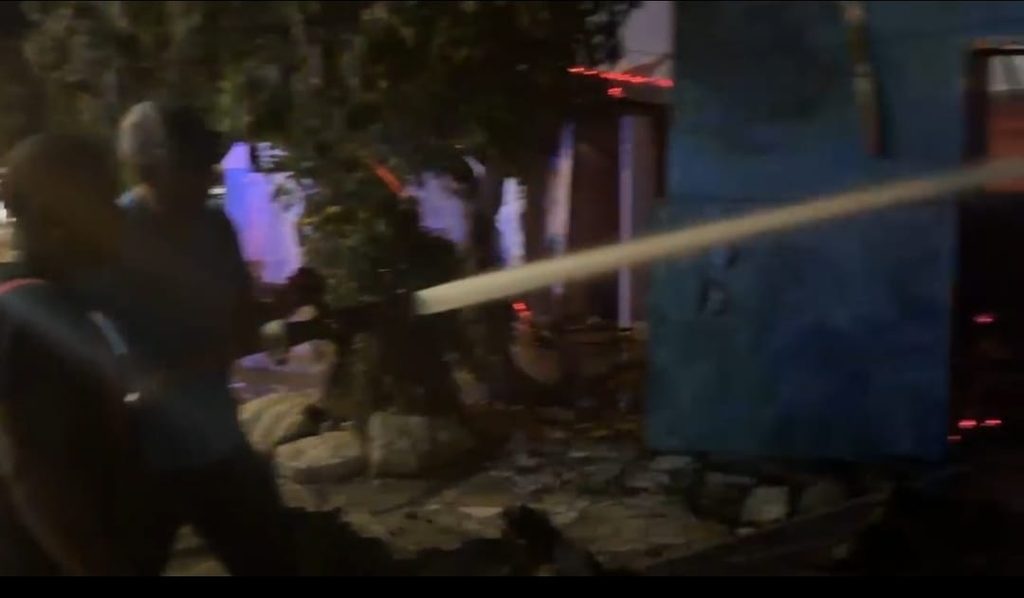
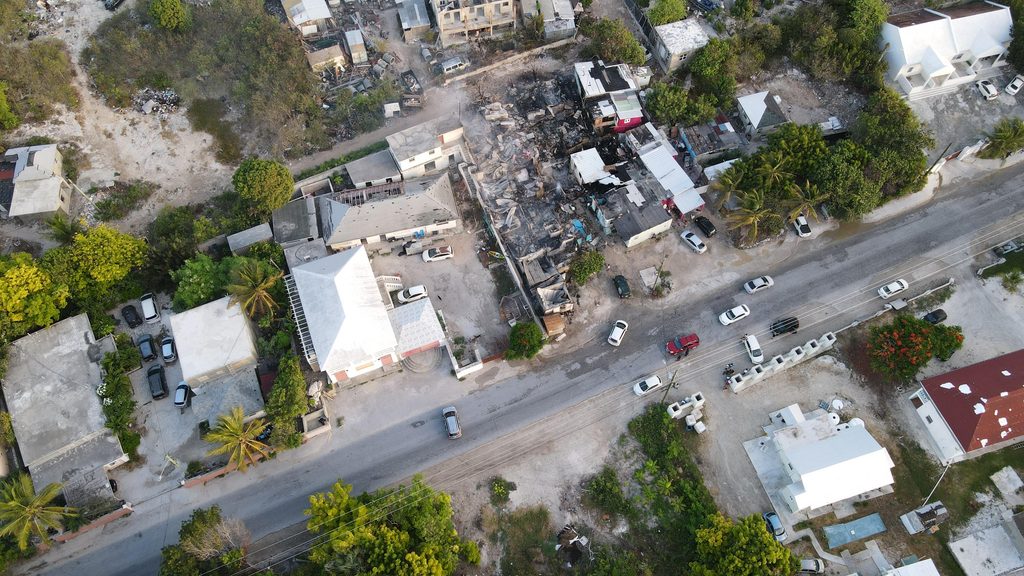
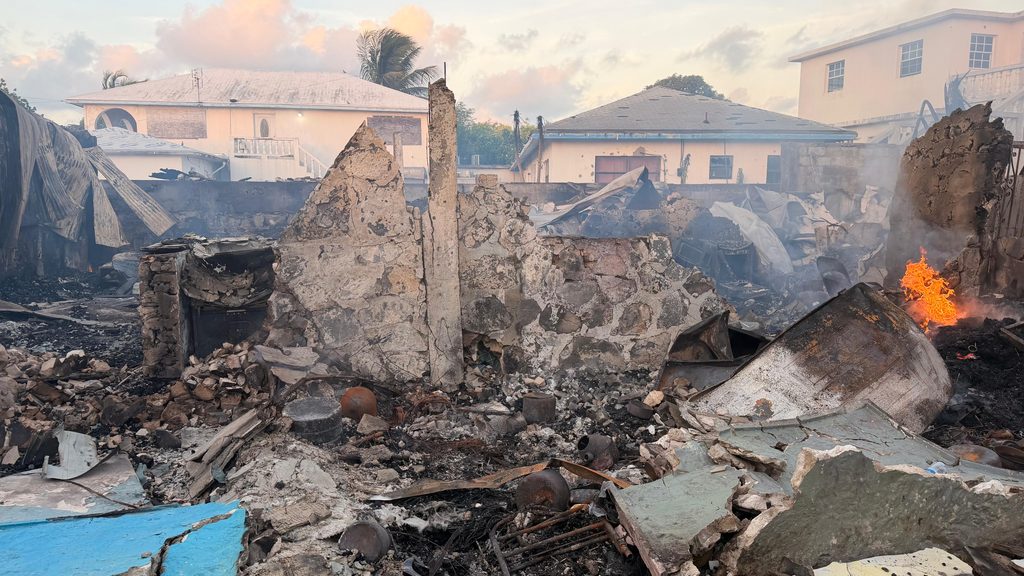
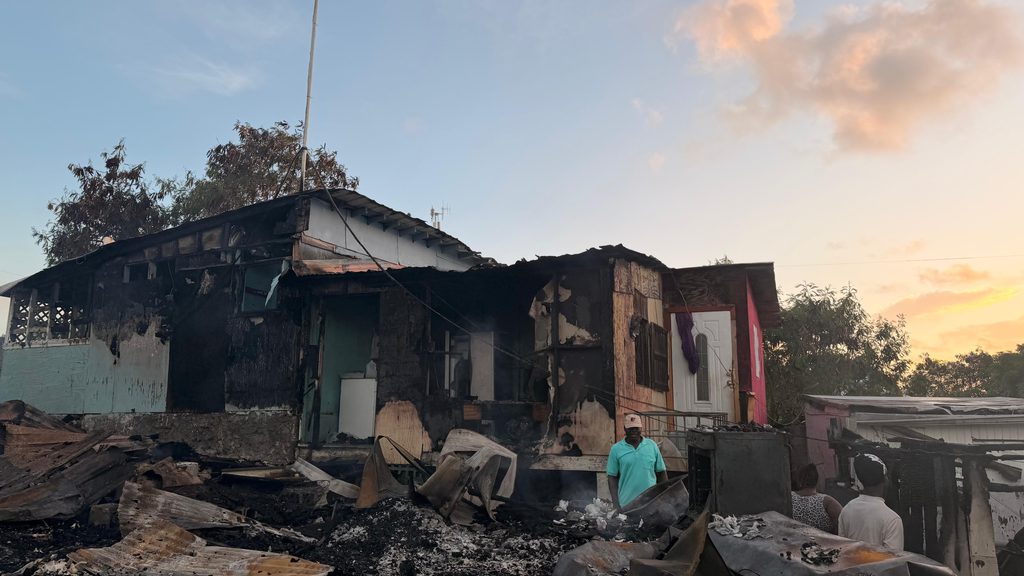
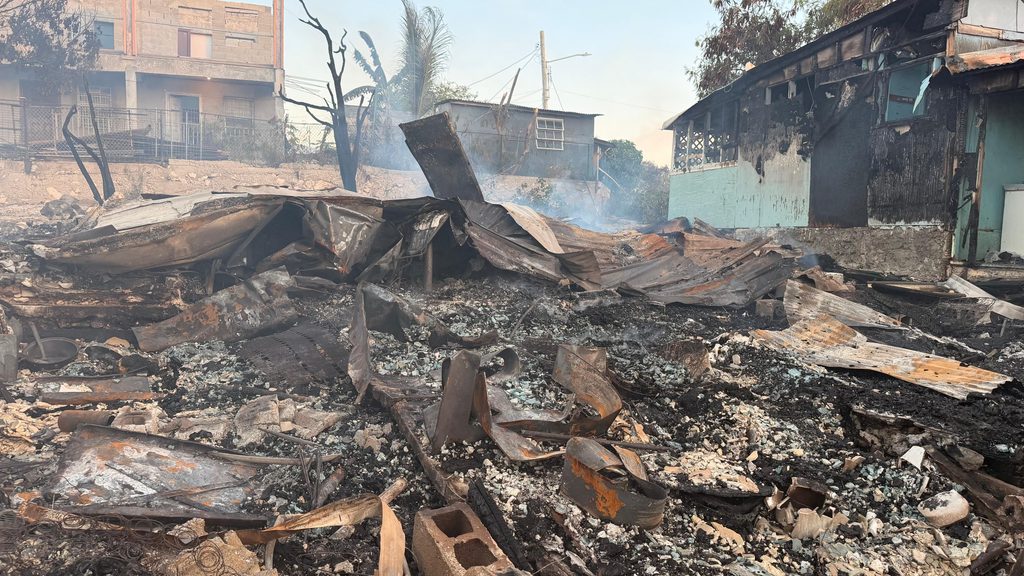
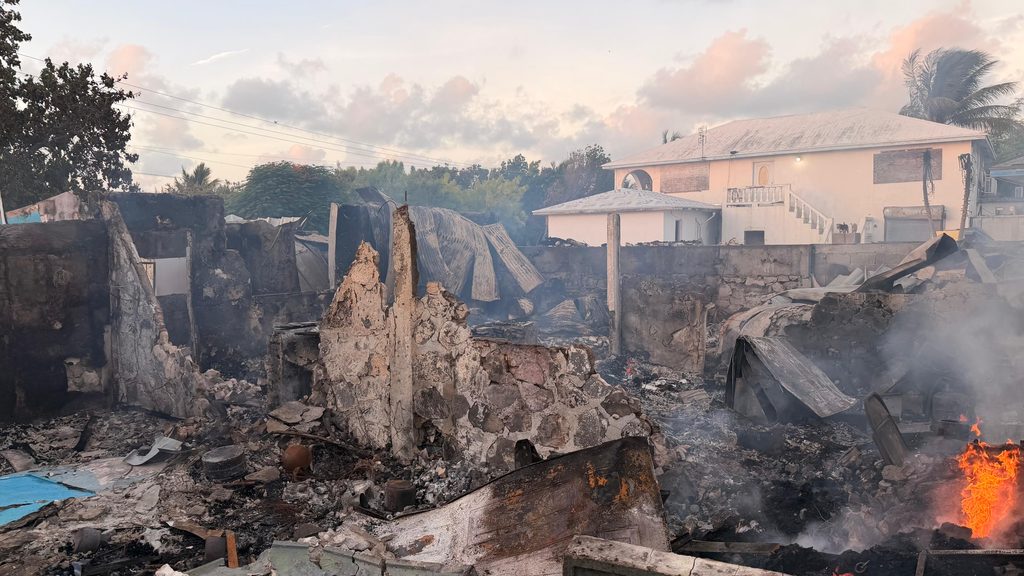
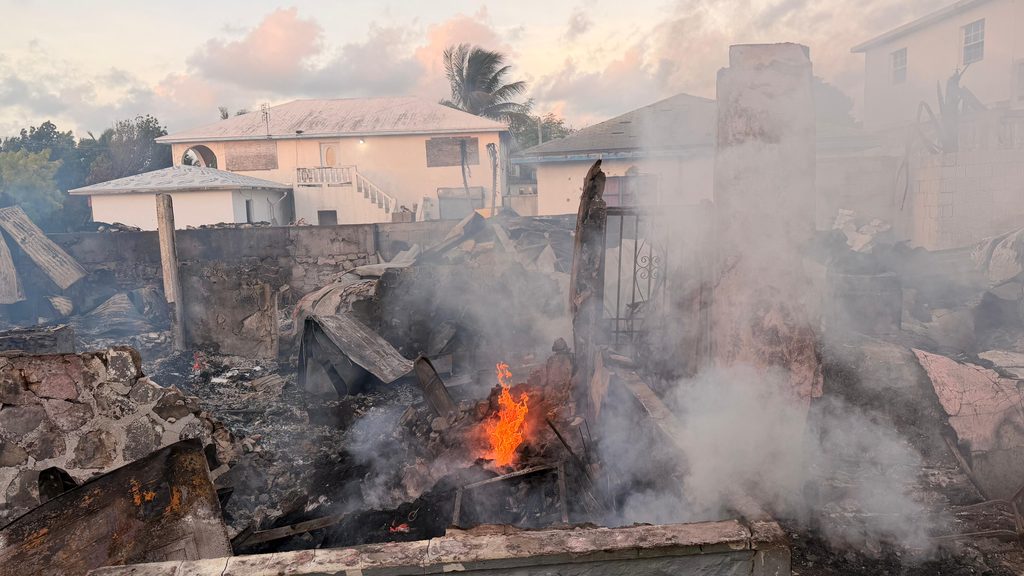
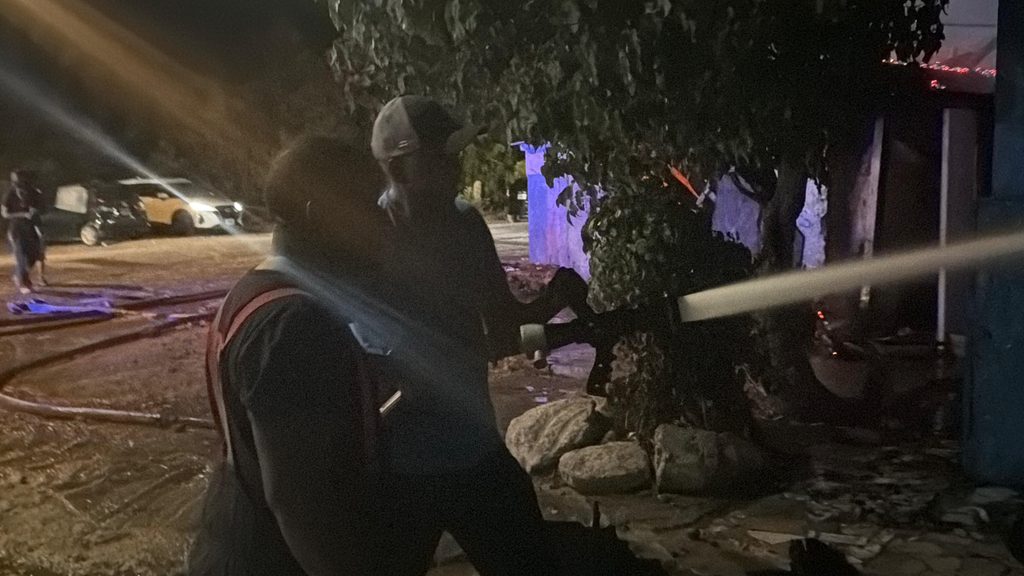
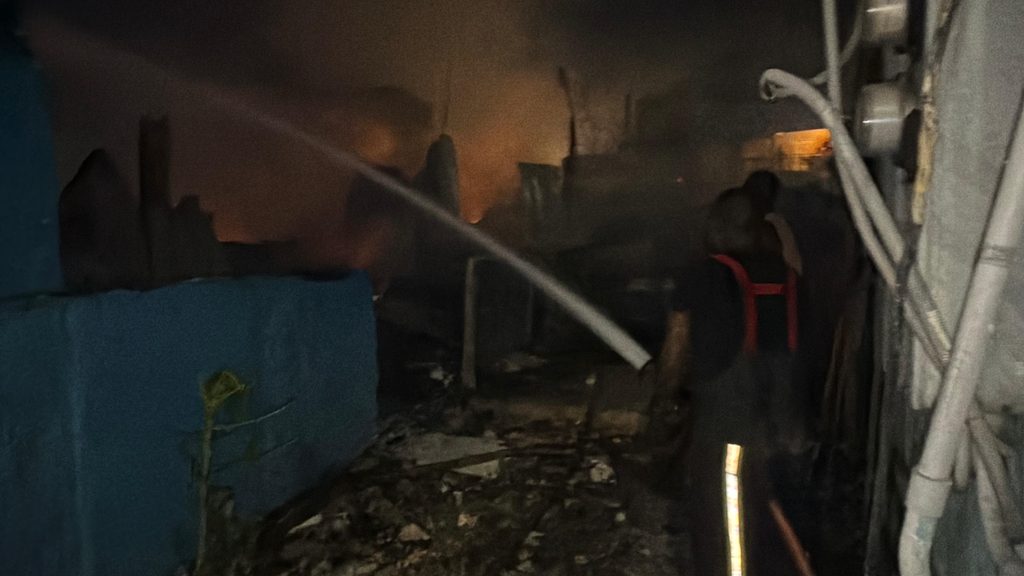
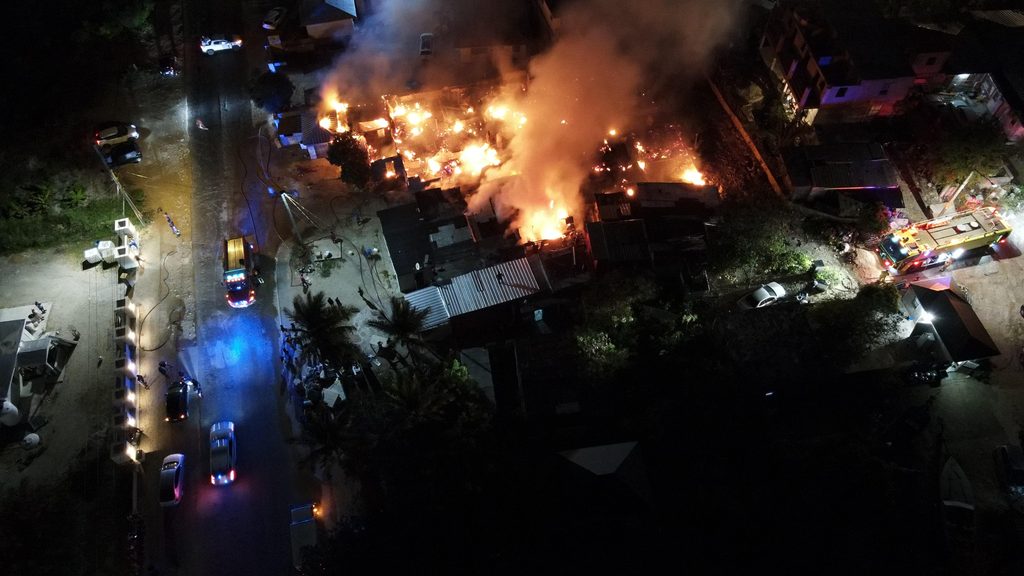
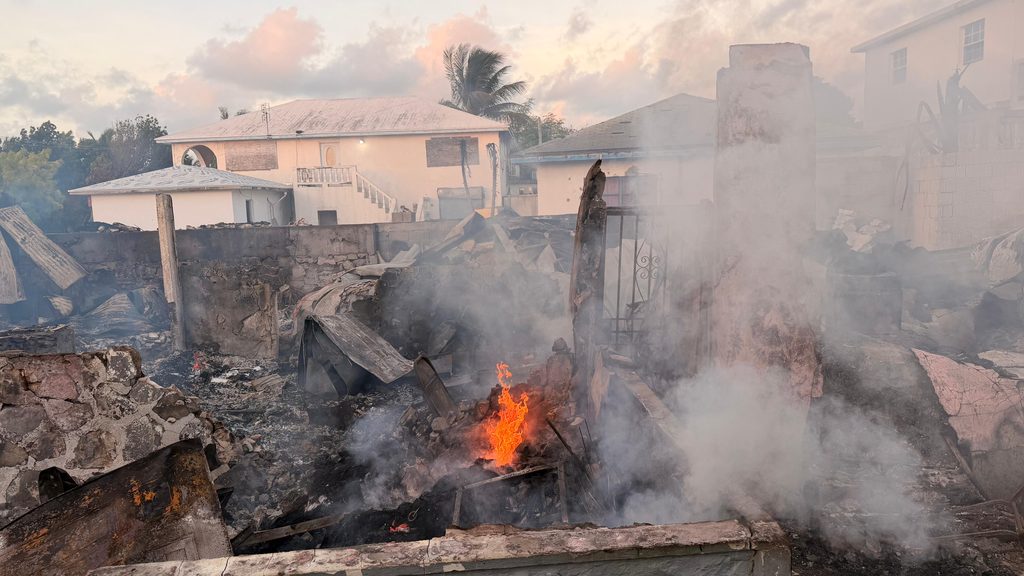
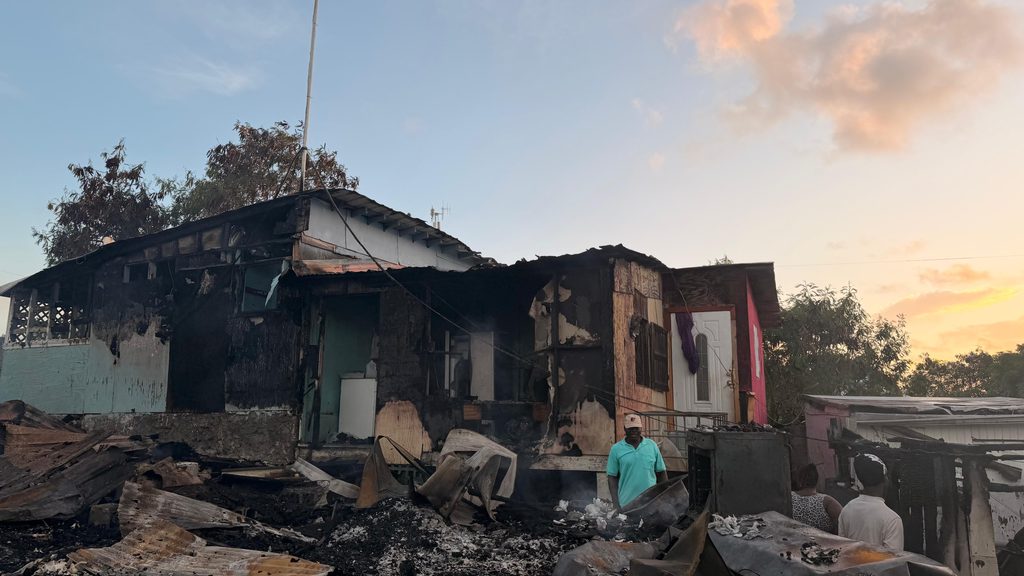
The questions come after a major fire broke out in Five Cays shortly after 1 a.m. Monday, with residents reporting repeated calls for assistance as the blaze developed.
In the aftermath, concerns have resurfaced about the availability of operational domestic fire trucks on Providenciales and the ability of the Fire Department to maintain an immediate response during overnight hours.
The situation has also prompted renewed calls for the Government to treat firefighting as a priority essential service and to invest in the personnel and infrastructure necessary to maintain reliable coverage.
Where are the new fire trucks?
One of the most important questions now being directed to the Government concerns statements reportedly made recently by the Minister responsible for the Fire Department regarding the purchase or allocation of funds for new fire trucks.
Eagle Legal News has specifically asked for clarification on whether domestic fire trucks have already been purchased and, if so, how many are expected to arrive in Providenciales.
The public also needs to know when those vehicles are expected to arrive and when they will actually become operational.
The distinction is important.
A truck that has been approved, budgeted for or purchased overseas does not immediately improve emergency response capability.
It must arrive in the territory, be properly equipped, inspected, maintained and assigned to trained personnel before it can respond to an emergency.
Following the Five Cays fire, residents are therefore seeking a clear timeline.
If new domestic fire trucks are indeed on the way, when will they be here?
And more importantly, when will they be available to respond to fires?
Why are existing fire trucks reportedly still out of service?
The second major issue concerns the vehicles already owned by the Fire Department.
Eagle Legal News has received information indicating that several fire trucks at the fire station may currently be out of operation.
According to the information received, one vehicle remains available primarily to transport additional water in support of firefighting operations.
There are also claims that some of the mechanical problems affecting the other vehicles are relatively minor, including reported brake problems.
If that information is accurate, the Government should be able to explain why the necessary repairs have not already been completed.
We asked, whether replacement parts have been ordered and whether there is a timetable for returning the affected trucks to operational service.
The issue is particularly important because fire trucks are emergency-response assets.
Their availability cannot be viewed in the same way as an ordinary government vehicle awaiting routine maintenance.
If a fire truck is unavailable when an emergency occurs, the public cannot simply wait until the repair is completed.
The Government’s priorities questioned
The Five Cays fire has also triggered broader criticism about Government priorities.
Some persons who contacted our News Room questioned whether sufficient public resources are being directed toward essential services.
One individual argued that money spent on other programmes and initiatives could instead have been directed toward acquiring additional fire trucks and improving emergency infrastructure.
Another raised concerns about expenditure on travel, conferences and consultants, arguing that taxpayer resources should be focused more heavily on areas considered essential to public safety.
These comments represent the opinions of individuals who contacted Eagle Legal News and are not presented as verified findings concerning Government expenditure.
However, the criticism reflects a broader frustration that has emerged following the fire.
The argument being made is that a territory cannot claim to be adequately prepared for emergencies if its essential emergency services do not have sufficient equipment and manpower.
Four questions put directly to the Minister
Eagle Legal News has sought answers from the Minister on four central areas.
1. New domestic fire trucks
The first question concerns the new fire trucks reportedly discussed by the Minister.
Eagle Legal News has asked whether the vehicles have been purchased, how many are coming to Providenciales and whether an estimated arrival date is available.
2. Existing fire trucks
The second question concerns the operational status of the fire trucks currently at the station.
If the vehicles are out of service because of mechanical problems, why have those problems not been resolved?
Have parts been ordered?
When will the trucks return to service?
3. Firefighters’ pay and conditions
The third question concerns the firefighters themselves.
Eagle Legal News has received complaints alleging low pay, inadequate or no overtime arrangements and concerns regarding work-related insurance.
The Government has been asked whether any review of firefighters’ compensation or working conditions is underway.
4. Twenty-four-hour fire coverage
The final question concerns whether the Government is considering a permanent 24-hour staffing system.
At present, concerns have been raised about firefighters having to respond from their homes after being called out overnight.
That means the response process may include travelling to the fire station, putting on protective equipment and preparing the fire truck before travelling to the scene.
A permanent 24-hour shift system would mean firefighters are already at the station and ready to deploy when the alarm comes in.
Why 24-hour coverage matters
The argument for 24-hour staffing is based on one simple reality: fires do not happen according to office hours.
A fire can begin at 1 a.m., 3 a.m. or 5 a.m.
The response system therefore needs to function just as effectively during the early morning hours as it does during the middle of the day.
When firefighters are already stationed at a firehouse, their response can begin immediately.
When personnel have to be contacted individually and travel from home, additional time is inevitably introduced into the process.
That does not necessarily mean individual firefighters are responsible for delays.
Rather, it raises questions about how the system itself is designed.
Firefighters cannot respond instantly if they are not already on duty.
More stations proposed
Another proposal emerging from the public discussion is the establishment of several strategically located fire stations.
Supporters of the idea argue that Providenciales has expanded considerably and that a single principal fire-response location may not provide the fastest possible coverage for every community.
Multiple stations could potentially place firefighters closer to residential areas and commercial developments.
Such an expansion would obviously require significant investment in buildings, vehicles, equipment and personnel.
But those proposing the idea argue that emergency preparedness should be treated as an investment in public safety rather than an expense that only receives attention after a disaster.
Police backup also suggested
Another proposal is to restore some form of firefighting capability within the Police Force as a backup resource.
The suggestion is not necessarily that police officers should replace professional firefighters.
Instead, proponents argue that an additional emergency capability could provide support during major incidents when the Fire Department’s resources are stretched.
Any such arrangement would require appropriate training, equipment and clear operational protocols.
The Government would therefore need to determine whether such a system would be practical and safe.
The airport question
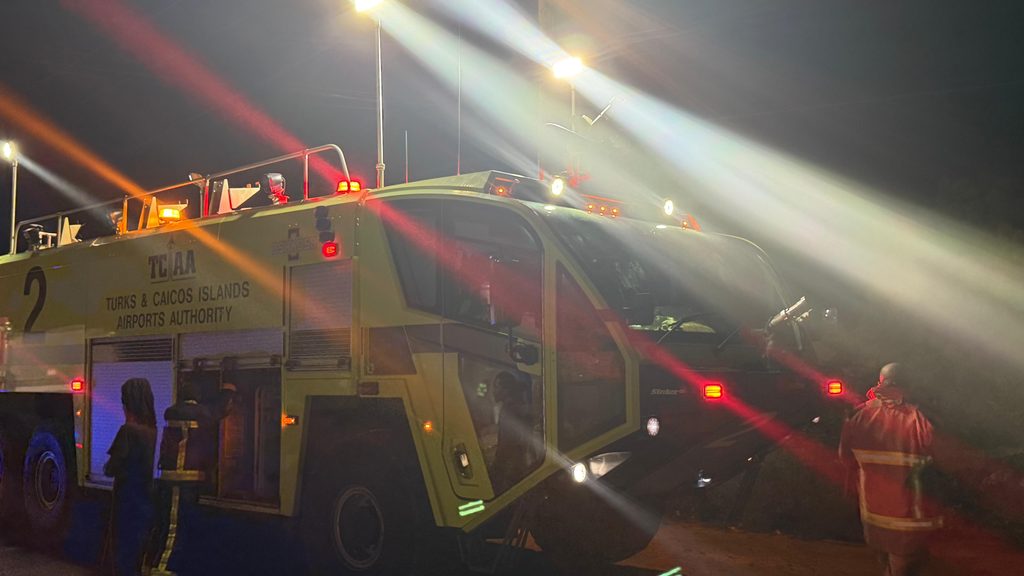
The presence of firefighting vehicles at Howard Hamilton International Airport has also generated public discussion.
However, persons familiar with airport operations have emphasized that the airport’s vehicles are specialized aviation firefighting resources.
The airport requires its own emergency firefighting capability because aircraft emergencies present unique risks and the airport must be prepared for events such as emergency landings.
The territory therefore cannot simply solve its domestic firefighting shortage by relying on airport equipment.
Airport firefighting personnel may assist when circumstances allow, but domestic fire protection requires its own properly equipped and staffed service.
The bigger question for Government
The Five Cays fire has now created an opportunity for the Government to provide the public with a comprehensive picture of the state of the Fire Department.
How many domestic firefighters are currently employed?
How many are volunteers?
How many firefighters are available overnight?
How many domestic fire trucks are operational?
How many are awaiting repairs?
How much has been allocated for new vehicles?
When will those vehicles arrive?
What is the current plan for 24-hour coverage?
And is the Government reviewing the salaries, overtime arrangements, insurance and working conditions of firefighters?
Those answers would help residents understand whether the territory is dealing with a temporary equipment problem or a deeper structural issue.
A warning that should not be ignored
The Five Cays fire has demonstrated the consequences that can occur when a major fire develops in a densely populated community.
While the exact circumstances surrounding the response will continue to be examined, the incident has already sparked a wider conversation about preparedness.
The public does not simply want assurances that new equipment is coming.
Residents want to know that when the next emergency occurs, trained firefighters will be available, operational vehicles will be ready, protective equipment will be accessible and the response system will already be in motion.
That is the standard expected of a modern emergency service.
The Government now has an opportunity to explain exactly where the territory’s firefighting service stands and what is being done to strengthen it.
For the residents of Five Cays and communities across Providenciales, the issue is urgent.
Because the next fire will not wait for a budget cycle, a procurement process, a consultant’s report or the arrival of a vehicle still overseas.
Eagle Legal News will continue to seek answers from the Government and monitor any commitments made concerning new domestic fire trucks, staffing, firefighter welfare and 24-hour emergency coverage.