TITO GARCIA’S TRUCK WAS THE MURDER WEAPON AND HE DROVE TO AND FROM COURT DAILY FOR MONTHS IN THE MURDER WEAPON
Thursday 16th July 2026 – Turks and Caicos Islands
As the murder trial of Tito García neared its conclusion, the learned trial judge delivered an extensive summation of the evidence, reminding jurors of the testimony given by witnesses, the submissions made by both the Crown and the defence, and the legal principles they were required to consider before reaching a verdict.

The judge began by reminding jurors that the case was based largely on circumstantial evidence and stressed that they should not focus on any single piece of evidence in isolation. Instead, they were instructed to examine all of the evidence together and determine whether the Crown had proven its case beyond a reasonable doubt. The judge repeatedly reminded the jury that they were the sole judges of the facts and that it was their responsibility to determine which witnesses they accepted, rejected or believed only in part.
Reviewing the evidence of Roslyn Sam Fart, the judge recalled her testimony that she heard what she believed was the sound of a truck accelerating before hearing a loud bang. She explained that many people initially believed the sound was that of a traffic collision. The judge reminded jurors that Roslyn also identified the location where Aracelis Mejia Doñe (Aka Aria) was picked up from and where she observed the truck after the incident. She further reviewed the evidence relating to the food container and other personal belongings that were recovered near the scene. The judge noted that the Crown invited jurors to infer that those items had been in Aria’s possession when she was struck and were scattered upon impact before she was placed inside the truck by the defendant Tito Garcia after he knocked her down with his white truck. However, she stressed that these remained inferences for the jury to decide and not established facts.
The judge also reminded jurors of Roslyn’s testimony concerning tire marks she claimed to have seen at the scene. She told the court the marks suggested that the truck had accelerated forward. During her evidence, she also described the recovered food container as a glass bowl with a silicone lid. Referring to the level of detail provided by the witness, the judge said jurors were free to determine whether her detailed recollection enhanced or weakened her credibility.
The jury was reminded that Roslyn had known Aria for many years, describing her as one of her mother’s close friends and someone she had known since childhood. She testified that she had even been babysat by Aria when she was younger. The judge also reviewed the extensive cross-examination conducted by the defence, during which Roslyn acknowledged that she had never witnessed Tito García threaten or physically abuse Aria during the time she knew the couple. She had previously described their relationship to police as generally good, saying they argued only over small matters.
The judge reminded jurors that the defence challenged several aspects of Roslyn’s testimony, particularly differences between her first police statement in 2022 and a second statement given in 2026. Defence counsel suggested that details regarding the sound of acceleration and the tire marks had been added years later. Roslyn rejected that suggestion, telling the court she had since gained more knowledge about vehicles, owned a truck herself and was now able to distinguish the sound of acceleration. She insisted she was not inventing or adding to her account and maintained that she had pointed out the tire marks to investigators during the original investigation.

The judge also pointed to discrepancies between Roslyn’s testimony and that of her mother, Hermina Rodriguez. While one witness referred to hearing screams before running outside, the other denied making such a statement. Jurors were reminded that it was entirely for them to determine whether those inconsistencies affected the witnesses’ reliability or whether they were minor differences that naturally arose between witnesses recalling traumatic events.
The judge then reviewed the evidence of Hermina Rodriguez, who told the court that she and her daughter ran outside after hearing a loud noise. She testified that she saw her brother, Tito García, lifting Aria and placing her into the truck before driving away. Hermina also described the long relationship between Tito and Aria, telling the court they had been together for many years and shared a child. She characterised their relationship as one that experienced difficulties like many couples but said she had never personally witnessed Tito use violence against Aria.
The judge reminded jurors that Hermina acknowledged she did not witness the actual incident and only saw events after they had already occurred. While she expressed her own views about why Tito acted as he did and why he rushed Aria to the hospital, the judge cautioned jurors that these were conclusions drawn by the witness herself and not direct evidence of what had happened.


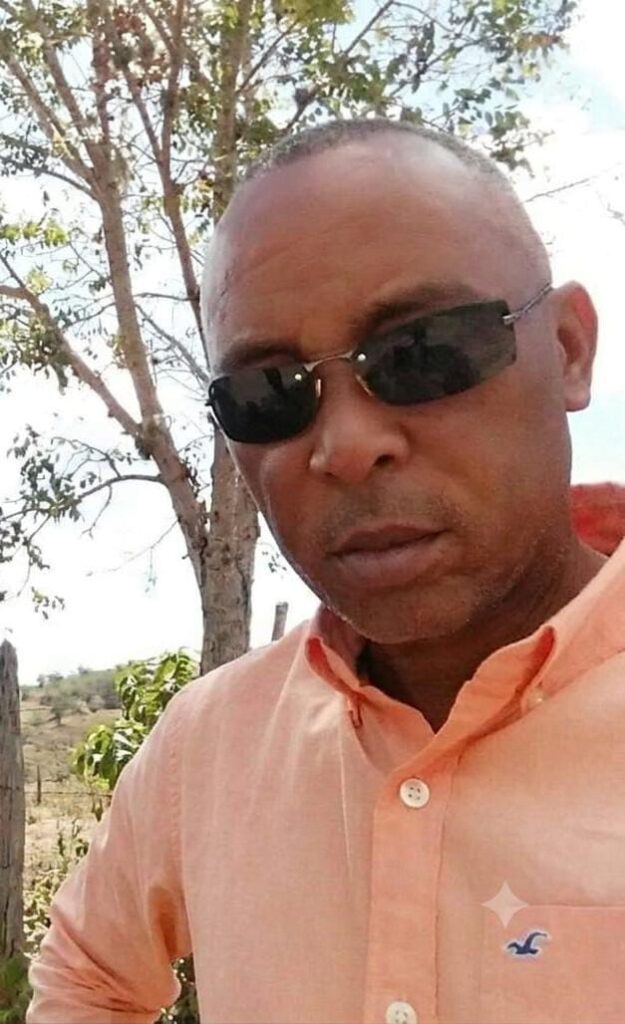
Turning to the evidence of Jorge, Aria’s son, the judge recalled his testimony that Tito had repeatedly encouraged him to persuade his mother to return home before it was “too late.” Jorge told the court that Tito appeared angry in the days leading up to the incident after learning that Aria had begun a new relationship. According to Jorge, Tito told him that Aria would regret her actions and expressed frustration over seeing her show affection to another man.
The judge further reminded jurors of Jorge’s evidence regarding the morning of the incident. Jorge testified that Tito left the worksite and later returned appearing nervous and distressed. According to Jorge, Tito admitted that he had struck his mother with the truck. Jorge said he immediately questioned why Tito had done so and later drove him toward the hospital. During cross-examination, the defence challenged whether this alleged admission had been included in Jorge’s original police statement. Despite those challenges, Jorge maintained that the defendant had clearly admitted hitting his mother and insisted that his testimony in court accurately reflected what had happened.
There was also evidence of a kiss that the learned judge Tanya Lobban – Jackson reminded jurors of that Tito García saw of Aria and her new boyfriend that made him even more angry and jealous. There were testimony to the jury that Tito said “she never done that to him, meaning kissing him goodbye before she leaves out” or words similar. The judge described that as what the prosecution said was “Tito’s finial draw” that kissed he saw, was “salt in the wound”


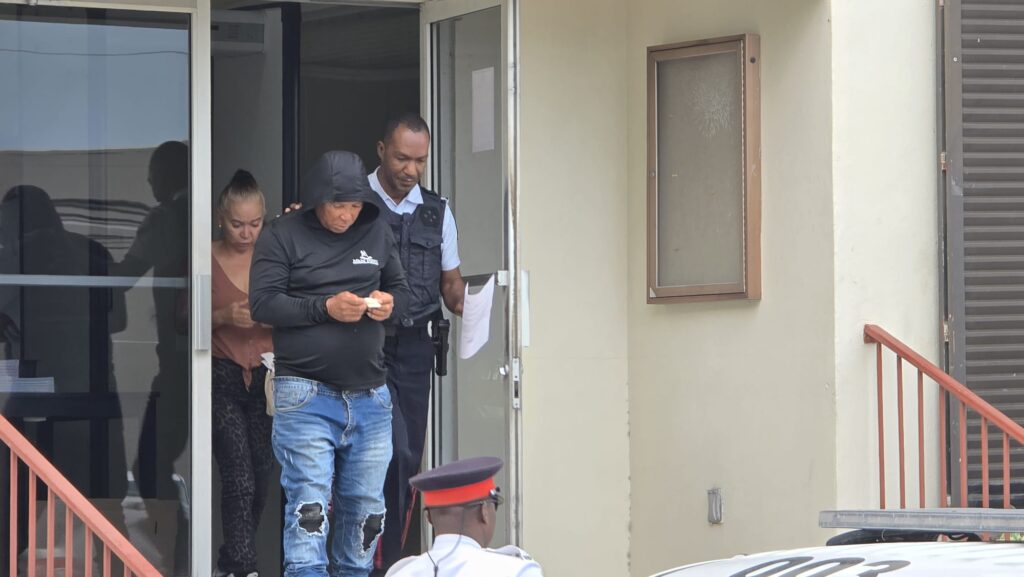
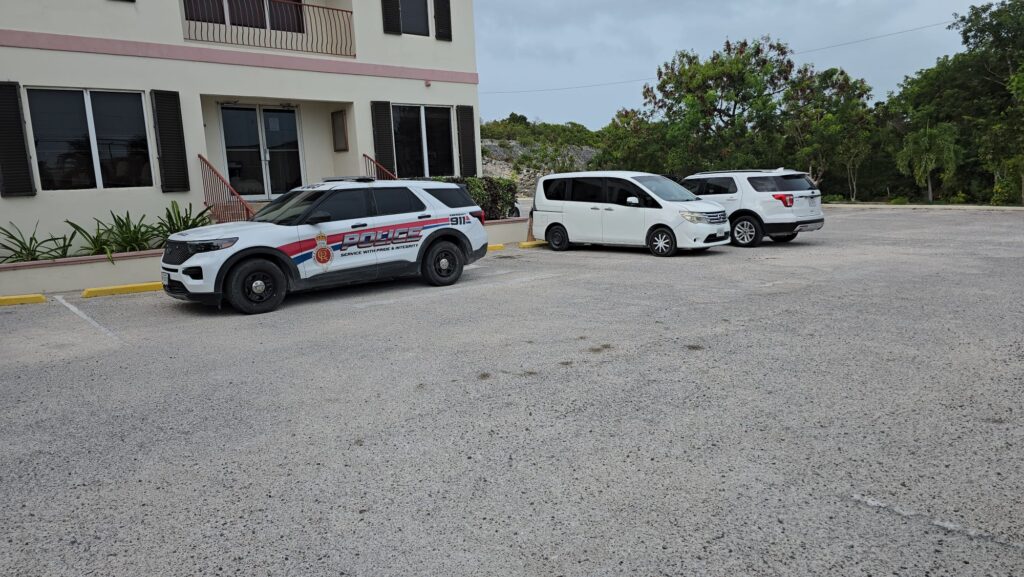
The judge made it clear to the jury of 3 men and 9 women, totaling 12, that the white truck was the murder weapon that was used to kill Aracelis Mejia Doñe aka Aria. What was surprising and disturbing to Eagle Legal News was that it appears even after killing or causing Aria’s death with the white truck, Tito kept driving the truck from 2022, the year of Aria’s death to the day of his conviction and remand to His Majesty’s Prison in July 2026. He actually drove and carried that same murder weapon to and from court every day from the trial started on May 18th 2026.
The judge also reviewed the expert medical evidence presented during the trial. Jurors were reminded that emergency physician described Aracelis Mejia Doñe aka (Aria) arriving at hospital in critical condition with catastrophic injuries, including severe head trauma, skull fractures extending across the left side of her head, bleeding on the brain, fractured ribs and injuries to other parts of her body. The doctor explained that the head injuries posed the greatest threat to her life and outlined the emergency treatment provided in an effort to stabilise her condition.
The court also heard that experts explained how the severity of injuries in a vehicle impact could vary depending on several factors, including the speed of the vehicle, the position of the victim and the surface on which the victim landed. The judge reminded jurors that while expert witnesses were entitled to express medical opinions based on their expertise, the jury was not bound to accept those opinions and remained responsible for deciding what weight should be given to that evidence.
Summarising the competing positions of both sides, the judge reminded jurors that the Crown argued the evidence established that Tito García intentionally struck Aria with his vehicle and that his actions after the incident, including rushing her to hospital, did not alter his intention at the moment of impact. The Crown maintained that the evidence, taken as a whole, supported a conviction for murder.
The defence, however, argued that the evidence failed to establish an intention to kill. Defence counsel submitted that the inconsistencies in witness testimony, together with the circumstantial nature of the case, required careful scrutiny. Jurors were urged to consider whether there remained any reasonable innocent explanation for the events and were reminded that if such a possibility existed, or if they were left with a reasonable doubt, they were required to acquit.
Before sending the jury to deliberate, the judge carefully outlined the possible verdicts. Jurors were told they could find the defendant guilty or not guilty of murder. If they concluded that the defendant unlawfully caused Aria’s death but were not satisfied that he intended to kill her, they could instead return a verdict of guilty of manslaughter. If they were left with a reasonable doubt on both offences, the appropriate verdict would be not guilty.
Following deliberations, the jury returned a unanimous verdict finding Tito García not guilty of murder but guilty of manslaughter on a majority verdict of 10 to 2. 10 believing he was guilty of manslaughter and two finding him not guilty.
The judge thanked members of the jury for their commitment throughout the lengthy trial, acknowledging the weeks they had devoted to hearing evidence and fulfilling their civic duty before formally discharging them. The proceedings then moved to arguments concerning bail pending sentencing, with the Crown submitting that the seriousness of the conviction and the risk of absconding justified keeping the defendant in custody until sentence was imposed.