Tuesday 23rd June, 2026 – Providenciales, Turks and Caicos Islands
A growing debate has emerged within the Turks and Caicos Islands business community over what constitutes a genuine local brand, with one local entrepreneur calling for greater protection of the “Made in Turks and Caicos” identity and stronger oversight of products being marketed to both residents and visitors.
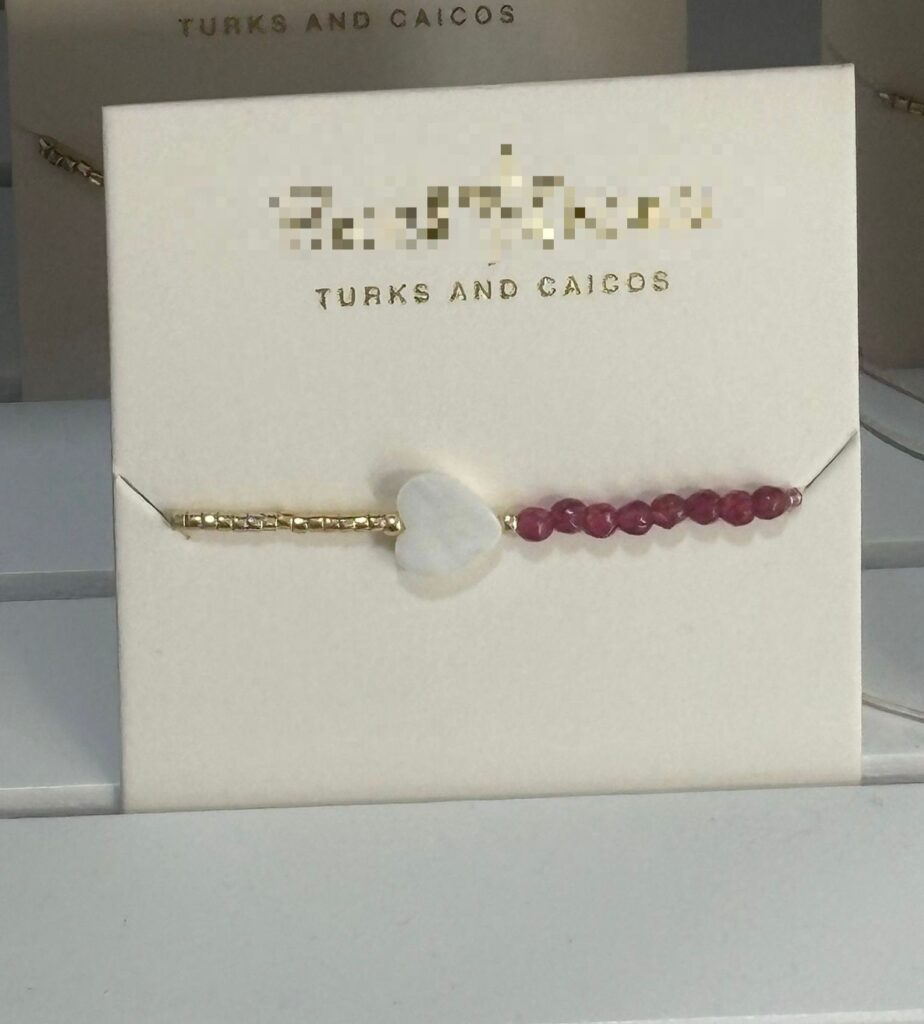
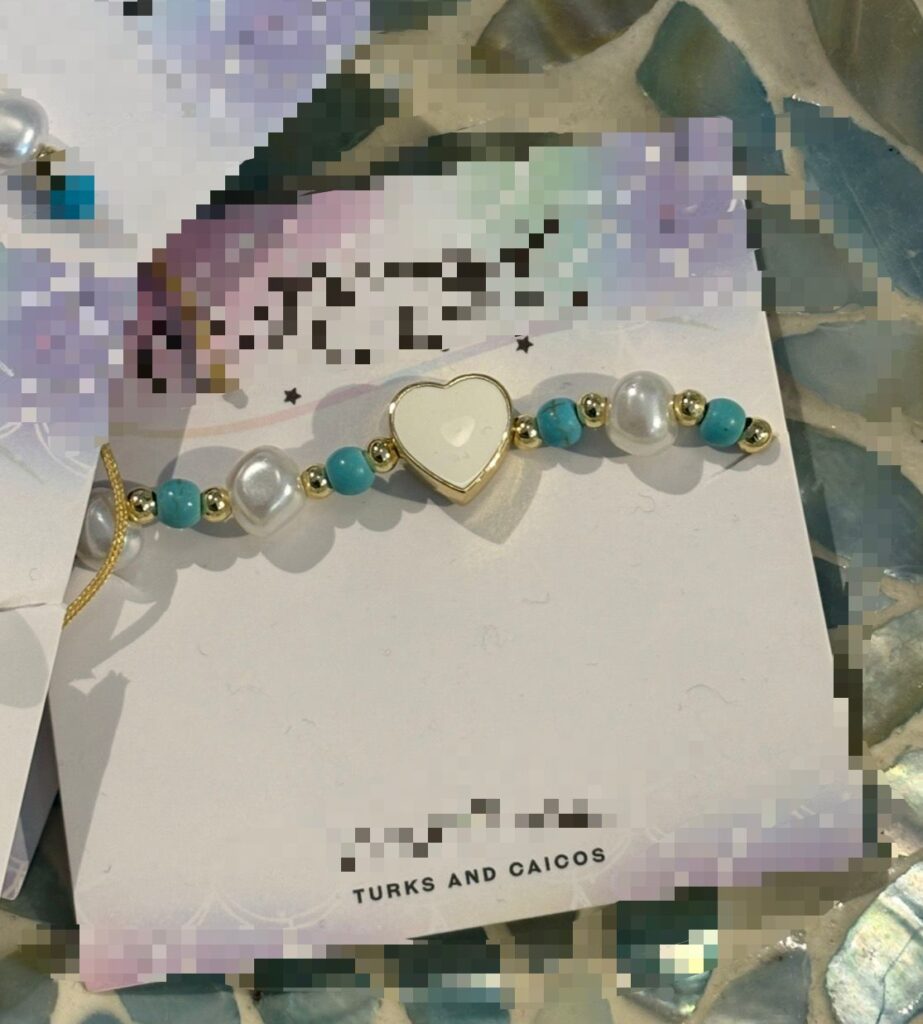
The concerns have been publicly raised by local entrepreneur and artist Wellington Williams, who alleges that products being sold under a Turks and Caicos-branded business are in fact mass-produced overseas and imported into the country before being repackaged and marketed as a local brand.
Williams, who has spent more than a decade building his own locally recognized brand, says the issue is not about whether businesses import products. Rather, he believes the concern centers on how those products are represented to consumers.
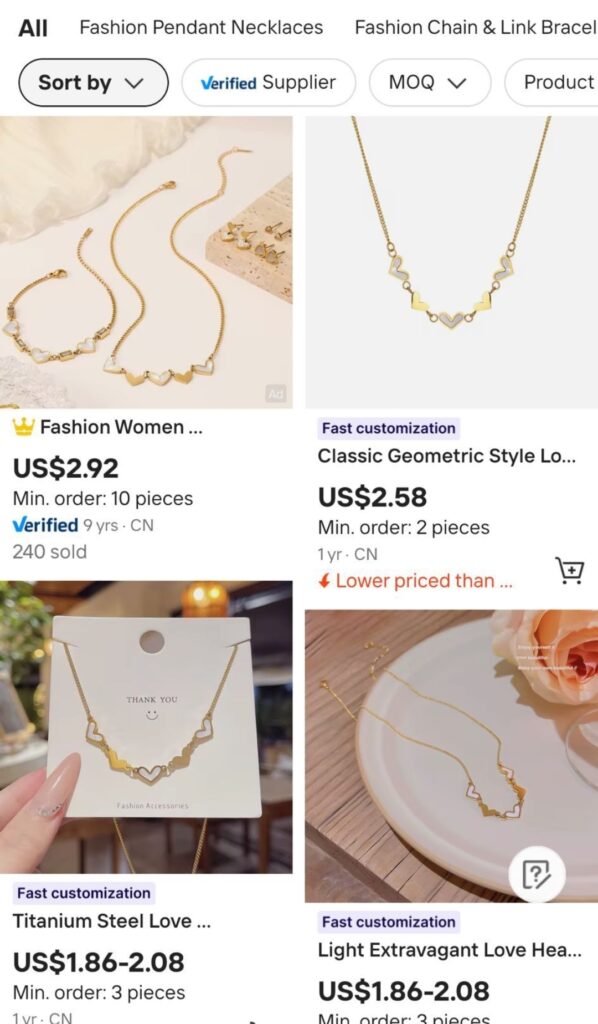
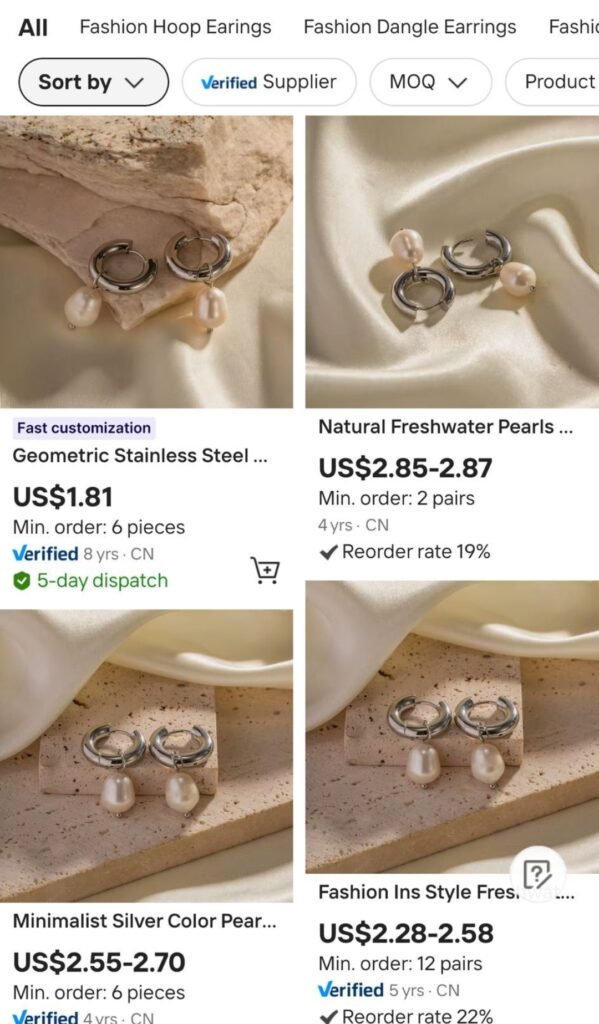
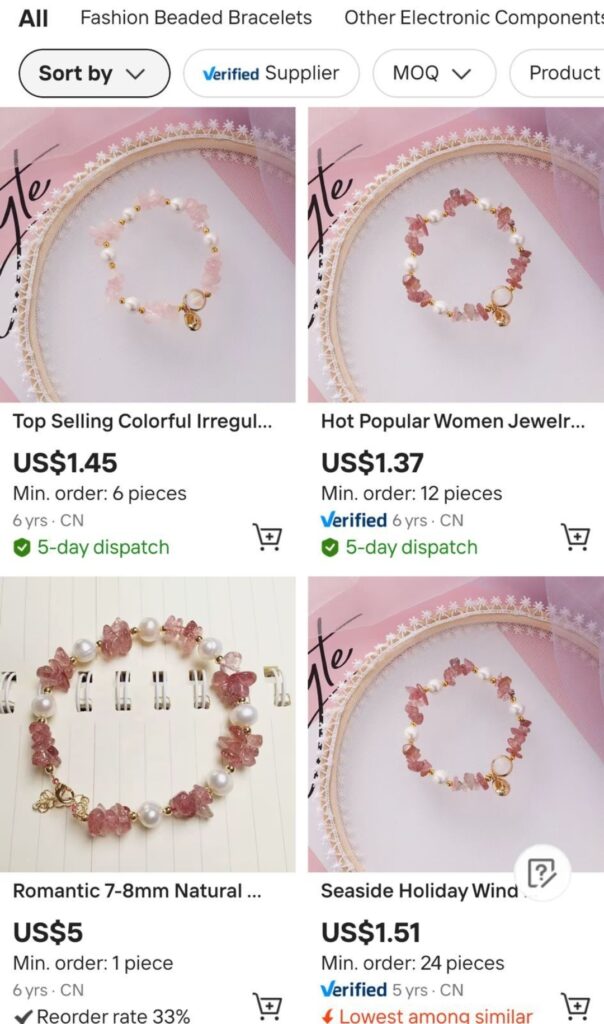
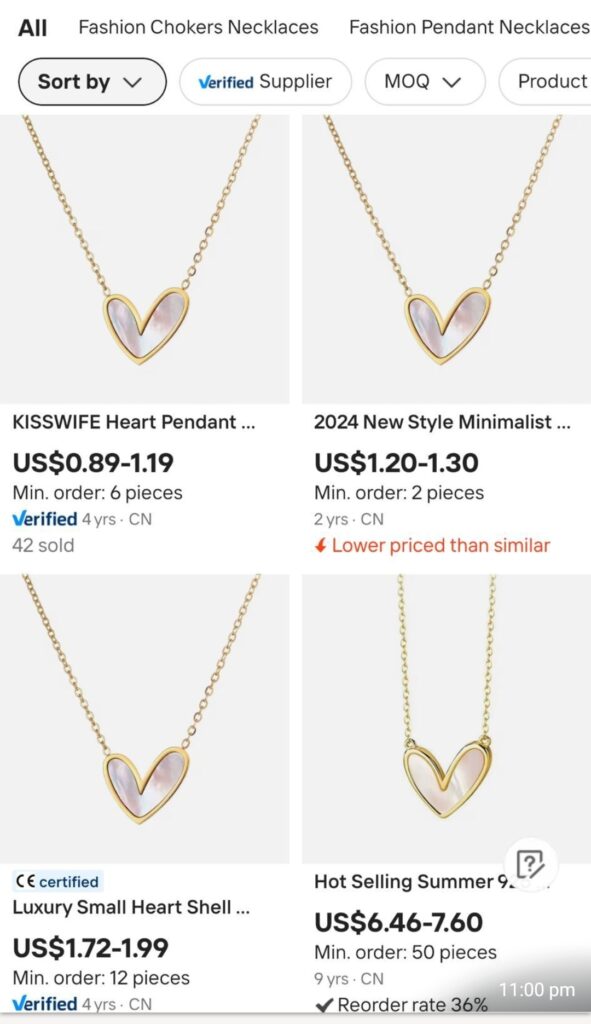
According to Williams, some of the products being sold appear identical to items available through international wholesale platforms such as Alibaba, Shein, and Made-in-China. He alleges that the merchandise is being purchased overseas, rebranded with Turks and Caicos-themed packaging and labels, and then marketed in a manner that may lead consumers to believe the products are locally created or produced.
Williams says he has no issue with businesses sourcing goods internationally, noting that many businesses in the Turks and Caicos Islands import products and materials. However, he argues that transparency is essential and that consumers should know exactly what they are purchasing.
He further contends that local artisans, manufacturers, and creative entrepreneurs invest years developing original products, creating unique designs, building brands, and establishing credibility both locally and internationally. In his view, it is unfair when imported products are allegedly able to benefit from the same “local” identity without having gone through the same process.
The issue has become particularly sensitive because of ongoing efforts by the Government and business development agencies to promote local entrepreneurship through initiatives such as the “Made in Turks and Caicos” trade shows and various MSME grant programs designed to support small businesses and local manufacturers.
Williams acknowledged that programs offered through Invest Turks and Caicos and other government initiatives have helped many local entrepreneurs grow their businesses. However, he believes more attention must now be given to protecting the integrity of the local brand itself.
According to Williams, many local businesses undergo extensive screening before their products are accepted into resort gift shops and boutique retail outlets. He recalled being told years ago that his products were not yet ready for certain markets and described the lengthy process of refining and improving his brand before eventually gaining acceptance into some of the country’s leading resorts and retail locations.
Today, he says, several authentic local brands have successfully established themselves through hard work, persistence, and originality. His concern is that imported products allegedly being marketed as local could undermine the efforts of those businesses and damage consumer confidence in genuine Turks and Caicos brands.
Williams also expressed concern that tourists purchasing products they believe are locally made could later discover identical items available online through wholesale suppliers at a fraction of the retail price. He fears this could create the impression that all Turks and Caicos-branded products are simply imported merchandise with local labels attached.
The entrepreneur says the issue extends beyond his own business and affects a wider community of local artists, crafters, soap makers, designers, and manufacturers who genuinely create products within the Turks and Caicos Islands.
As a result, Williams is calling on the Ministry responsible for Trade, Industry and Fair Competition, along with other relevant authorities, to examine whether stronger standards and protections should be introduced regarding the use of terms such as “Made in Turks and Caicos,” “Locally Made,” and similar branding.
He is also urging resorts and gift shop operators to continue exercising due diligence when evaluating businesses seeking to market themselves as local brands. As he was heavily scrutinized to ensure that his products were in fact handmade in Turks and Caicos, Williams noted that it is particularly concerning that this brand was able to successfully present itself as a local, handmade business to several prominent resorts and retailers. He stated that the brand did an exceptional job of creating that impression, resulting in its products being carried by establishments including Club Med Turkoise, The Shore Club, The Palms Turks and Caicos, The Sands at Grace Bay, Beaches Turks & Caicos, Alexandra Resort, The Market at Indigo Resort and The Market at Blue Haven Resort. Williams said this demonstrates how easily even well-established businesses can be misled when claims of local production are not thoroughly verified.
Unlike some who have raised concerns privately, Williams has chosen to publicly attach his name to the issue.
“I don’t need to go anonymous,” he stated, maintaining that the matter is important enough to warrant open discussion and public scrutiny.
The controversy has also sparked broader questions about authenticity, transparency, and consumer protection within the tourism and retail sectors.
Eagle Legal News has been contacted by other members of the local vendor community who expressed similar concerns and frustrations regarding what they believe may be deceptive branding practices.
In the interest of fairness and balance, Eagle Legal News also reached out directly to the Guyanese female individual at the center of the allegations and provided an opportunity to respond to the concerns being raised about her, and her responce was, she is not aware of her doing anything wrong and therefore has nothing to defend herself against.
It should be noted that Eagle Legal News has not independently verified the origin of every product sold by the business in question, nor has any government agency or regulatory authority publicly concluded that any laws or regulations have been violated.
Nevertheless, the discussion has ignited an important conversation about what it means for a product to be considered truly local and whether stronger protections are needed to preserve the value and credibility of the Turks and Caicos brand.
As tourism continues to drive the country’s economy and visitors increasingly seek authentic local products, many within the business community believe the issue deserves closer examination.
For now, the debate continues, with local entrepreneurs, consumers, retailers, and policymakers left to consider a central question: should there be clearer standards governing what can be marketed as a genuine Turks and Caicos product?